The Doctor's Bland Health Paste That Conquered American Lunch
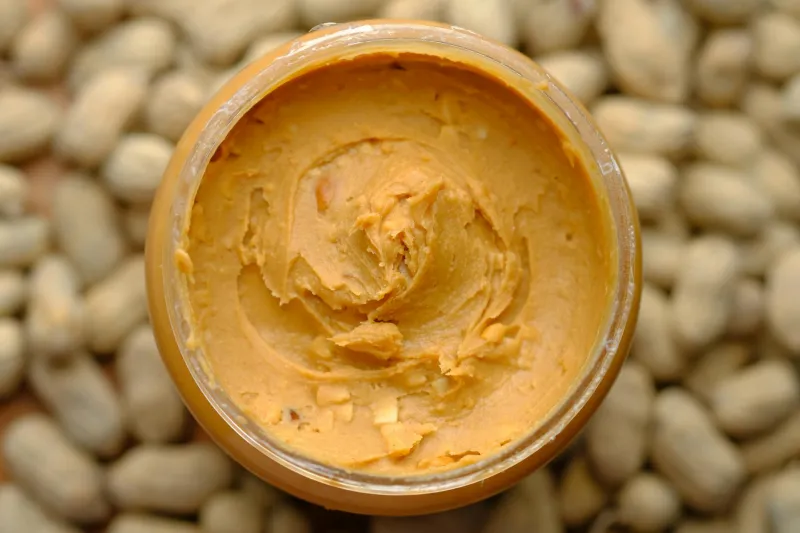
Every day, millions of Americans reach for that familiar jar with the twist-off lid, spreading creamy or crunchy peanut butter across bread without a second thought. But this beloved staple wasn't born in a kitchen — it was concocted in a medical facility as a last resort for patients who couldn't eat real food.
The Sanitarium Solution
In 1884, Dr. Marcellus Gilmore Edson faced a problem that plagued physicians of his era: how to provide adequate nutrition to patients whose dental problems or illnesses prevented them from chewing solid food. Working in his Montreal practice, the Canadian physician experimented with various combinations of ground nuts and oils, searching for something that could deliver protein and calories in an easily digestible form.
Edson's breakthrough came when he discovered that roasting peanuts before grinding them created a smoother, more palatable paste. He mixed this with a small amount of salt and sugar, creating what he described as a "peanut-candy" — though it bore little resemblance to the sweet treats we know today. On February 5, 1884, he received U.S. Patent No. 306,727 for his "Process of Preparing Edible Products from Peanuts."
This wasn't food as entertainment. It was medicine disguised as sustenance.
From Medicine Cabinet to Kitchen Counter
Edson's invention might have remained confined to medical applications if not for Dr. John Harvey Kellogg — yes, the same Kellogg who would later revolutionize breakfast cereals. At his Battle Creek Sanitarium in Michigan, Kellogg was obsessed with developing health foods that aligned with his strict dietary philosophies.
In 1895, Kellogg received his own patent for a "Process of Producing Alimentary Products" — essentially his own version of peanut paste. But Kellogg's approach differed significantly from Edson's. He steamed the peanuts rather than roasting them, creating a blander, more medicinal-tasting product that he served to sanitarium patients as a protein-rich health food.
Kellogg never intended his creation to leave the sanitarium walls. In his mind, this paste was therapeutic nutrition, not a commercial food product.
The Accidental Entrepreneur
The transformation from medical paste to mainstream spread happened almost by accident, thanks to Dr. Ambrose Straub of St. Louis. In 1903, Straub patented a peanut butter-making machine that could produce the spread more efficiently than previous hand-grinding methods. But Straub wasn't thinking about mass production — he simply wanted a better way to make the therapeutic paste for his own patients.
What Straub didn't anticipate was how his machine would catch the attention of food manufacturers looking for new products to sell. The mechanical innovation that was meant to help doctors suddenly made commercial peanut butter production feasible on a larger scale.
The Great Commercial Pivot
The real breakthrough came when entrepreneurs realized that this medicinal paste actually tasted good — especially when paired with sweet jelly or jam. By the early 1900s, companies like Heinz began selling peanut butter not as a health supplement, but as a regular food product.
The timing couldn't have been better. America was experiencing rapid urbanization, and families needed convenient, shelf-stable foods that could provide quick nutrition. Peanut butter fit perfectly into this new lifestyle, offering protein and calories in a format that required no cooking or preparation.
The Lunchbox Revolution
World War I accelerated peanut butter's journey from sanitarium to mainstream. The military included peanut butter in soldiers' rations because of its high protein content and long shelf life — the same qualities that had made it useful in medical settings. When soldiers returned home, they brought their taste for peanut butter with them.
The 1920s saw the introduction of hydrogenated oils, which prevented the natural separation that plagued early peanut butters. This innovation, combined with the rise of commercial bread production, created the perfect storm for the peanut butter and jelly sandwich to become an American institution.
The Ironic Legacy
Today, peanut butter generates over $2 billion in annual sales in the United States alone. The average American consumes about six pounds of peanut butter per year — a consumption rate that would have baffled Dr. Edson, who created his paste for people who could barely eat at all.
The most ironic twist? Modern nutritionists often recommend peanut butter for many of the same reasons Edson originally developed it — as a protein-rich, easily digestible food that provides sustained energy. The medical application that started it all has come full circle, though now it's marketed to athletes and health-conscious consumers rather than sanitarium patients.
The Accidental Empire
What began as a desperate attempt to feed the sick accidentally became one of America's most beloved foods. Dr. Edson's medicinal paste, designed for patients who couldn't handle solid food, now appears in everything from cookies to ice cream to elaborate restaurant dishes.
Every time you twist open that familiar jar, you're participating in a culinary accident that took over a century to unfold — proof that sometimes the most ordinary things have the most extraordinary beginnings.