The Crazy Rich Kid with an Impossible Dream
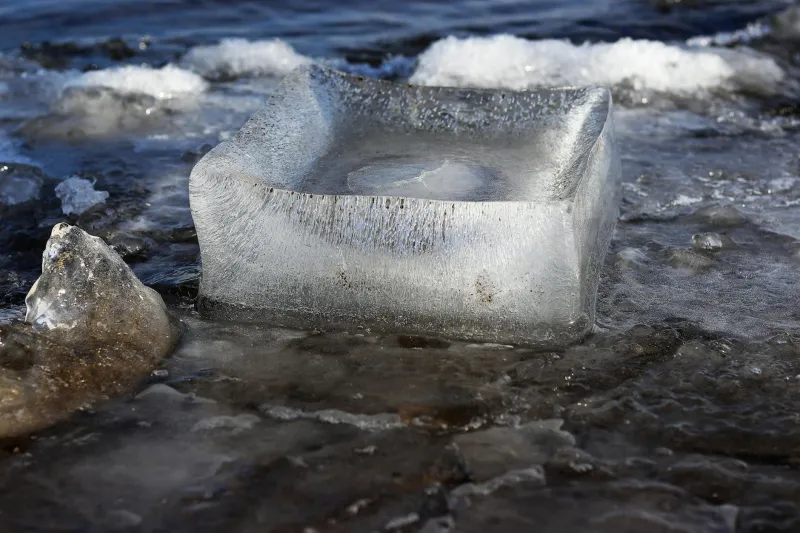
In 1805, twenty-two-year-old Frederic Tudor stood on the frozen shores of a Massachusetts pond, watching workers hack blocks of ice from the surface. His family thought he'd lost his mind. His friends called him "The Ice King" as a joke. Tudor was about to spend the next three decades—and nearly every dollar he'd ever inherit—trying to convince the world that ice wasn't just a New England winter nuisance.
It was a luxury worth dying for.
Tudor's obsession began at a family picnic when his brother joked about shipping ice to the West Indies. While everyone laughed, Tudor saw opportunity. Tropical climates had no natural ice, but they had wealthy colonists willing to pay premium prices for European luxuries. Why not frozen water?
The idea seemed simple enough: harvest ice from New England ponds, pack it in ships, and sell it in the Caribbean before it melted. Simple, except for physics, economics, and the fact that nobody in tropical climates had ever wanted ice before.
When Everyone Said No
Tudor's first shipment to Martinique in 1806 was a disaster. The ice melted faster than anticipated. Local merchants didn't understand why anyone would pay for frozen water when the ocean was free. The few blocks that survived the journey sat unsold until they became expensive puddles.
Bankers refused loans for future shipments. Ship captains demanded payment upfront, convinced Tudor's cargo would sink their vessels. Even Tudor's own father threatened to cut off his inheritance if he continued "this ice foolishness."
But Tudor had discovered something nobody else understood: ice wasn't just frozen water—it was a technology that could transform how people lived in hot climates.
The Funeral Parlor Connection
Tudor's breakthrough came from an unexpected source: Boston's undertakers. In the early 1800s, funeral parlors used ice to preserve bodies during summer months, developing sophisticated techniques for extending ice's lifespan through sawdust insulation, strategic ventilation, and careful temperature management.
Tudor spent months studying mortuary preservation methods, adapting funeral parlor tricks for ocean shipping. He designed specialized ice houses with double walls, created sawdust packing systems that reduced melting by 60%, and developed loading techniques that minimized temperature fluctuations during transport.
By 1810, Tudor's ice was surviving Caribbean voyages with minimal loss. But he still faced a bigger problem: nobody wanted it.
Creating Demand for Something Nobody Knew They Needed
Tudor realized he wasn't just selling ice—he was selling a completely new way of living. He began targeting funeral parlors in tropical climates, demonstrating how ice could preserve bodies during extended wakes. This created his first steady customer base and established ice's practical value.
Next came hospitals. Tudor showed doctors how ice could reduce fever, preserve medicines, and provide pain relief during surgery. Medical professionals became ice evangelists, recommending it to patients and spreading word of its benefits.
But Tudor's masterstroke was targeting the hospitality industry. He convinced hotel owners that ice-cold drinks could become a luxury amenity distinguishing their establishments from competitors. The first iced cocktail served at a Caribbean hotel created an immediate sensation among wealthy visitors.
The Accidental Birth of Cold Culture
As ice became available in tropical climates, something unexpected happened: people began craving cold in ways they never had before. Hotels started advertising "ice-cold refreshments" as premium amenities. Wealthy families installed ice houses to preserve food and create chilled desserts.
Most importantly, ice changed drinking culture. Cold beverages became status symbols. Iced tea, chilled wine, and frozen cocktails emerged as sophisticated alternatives to room-temperature drinks. Tudor had accidentally created America's first artificial desire—the craving for cold.
By 1820, Tudor's ice ships were servicing routes from Boston to Cuba, Jamaica, and South America. His "Havana Ice Company" was generating massive profits, and competitors were scrambling to enter the market he'd created single-handedly.
From Luxury to Necessity
Tudor's success triggered a revolution in American food culture. Northern ice houses began shipping to Southern states, making ice available in cities like Charleston, New Orleans, and Savannah. Restaurants started serving chilled desserts. Grocers began selling ice to preserve perishables.
The Civil War accelerated ice's adoption. Military hospitals used it to preserve medicines and treat wounded soldiers. Field commanders requisitioned ice shipments to prevent food spoilage during long campaigns. What began as Tudor's luxury product became a military necessity.
By 1860, America consumed over 5 million tons of ice annually. Tudor's impossible dream had become a $30 million industry (roughly $1 billion today).
The Technology That Killed the Ice King
Ironically, Tudor's success created the conditions for his industry's obsolescence. As demand for ice exploded, inventors began developing artificial refrigeration systems that could produce ice mechanically rather than harvesting it from ponds.
The first commercial ice machines appeared in the 1870s, initially supplementing natural ice during shortages. But mechanical refrigeration improved rapidly, offering consistent quality and year-round availability that natural ice couldn't match.
Tudor died in 1864, just as artificial refrigeration was beginning to challenge his empire. He never saw refrigerators in American homes, but he'd already accomplished something more significant: he'd taught Americans to expect cold drinks, preserved food, and climate-controlled comfort.
The Legacy in Every Cold Drink
Every time you reach for an iced coffee, grab a cold beer, or open a refrigerator, you're participating in the culture Frederic Tudor created. His obsessive mission to ship ice to impossible places accidentally taught Americans that cold wasn't just comfortable—it was essential.
Tudor's story reveals how technological revolutions often begin with one person's seemingly crazy idea. He spent decades being called a fool while systematically creating the infrastructure, markets, and cultural expectations that would make cold beverages an American obsession.
The next time you enjoy anything cold, remember the Boston dreamer who convinced the world that ice was worth more than gold—and was absolutely right.