The Basement Banks Nobody Trusted
In 1910, if you walked through New York's Lower East Side, you'd find something that would puzzle any modern banker—immigrants running what looked like gambling operations out of their basements and corner stores.
 Photo: New York's Lower East Side, via www.globalphotos.org
These weren't poker games or numbers rackets. They were savings clubs with a twist: every week, members would pool their money, and one lucky contributor would win the entire pot. The rest would keep contributing until everyone had won exactly once.
Respectable financial institutions called it gambling. Economists dismissed it as primitive. Government regulators tried to shut it down.
They had no idea they were looking at the future of American retirement planning.
The Psychology Accident
These rotating credit associations, known by different names in different communities—susus in West Africa, tandas in Mexico, hui in China—solved a problem that traditional banks couldn't: how to make saving feel rewarding instead of painful.
The genius wasn't in the mathematics, which were simple. It was in the psychology. Instead of watching your money disappear into a faceless institution, you were part of a group where everyone could see the immediate benefit of participation.
When Maria Rodriguez put her $10 into the weekly tanda, she wasn't just saving—she was investing in her chance to win $200 the following month. The possibility of immediate reward made the discipline of regular saving feel like opportunity rather than sacrifice.
American banks, with their emphasis on individual accounts and delayed gratification, completely missed this psychological breakthrough.
The Carnival Connection
Meanwhile, at county fairs and traveling carnivals across America, a different version of the same principle was taking root. Carnival operators discovered that people would spend far more money on games with prizes than they would on simple entertainment.
A ring toss that cost a nickel to play but offered a chance to win a teddy bear generated more revenue than a nickel show with guaranteed entertainment. The possibility of winning something valuable made people willing to pay repeatedly for what was essentially the same experience.
Bankers noticed this too, but they drew the wrong conclusion. They saw gambling where they should have seen motivation.
When Washington Started Paying Attention
The breakthrough came during the Great Depression. As traditional banks failed and Americans lost faith in financial institutions, Treasury Secretary Henry Morgenthau was looking for new ways to encourage saving and fund the government.
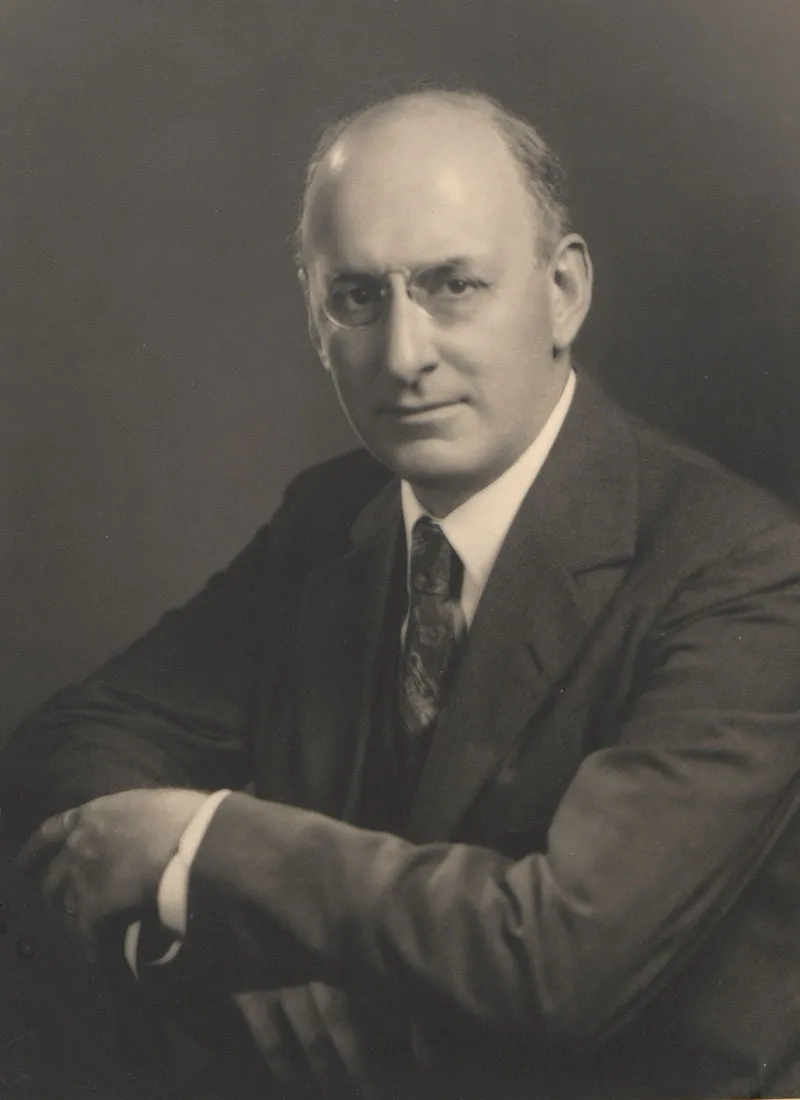 Photo: Henry Morgenthau, via uspresidentialhistory.com
His solution was revolutionary: war bonds that functioned like a lottery. Instead of just offering fixed interest, some bonds would be entered into drawings for larger prizes. Buy a $25 war bond, and you might win $1,000.
Suddenly, the same government that had been trying to shut down immigrant savings clubs was using their exact psychology to fund World War II.
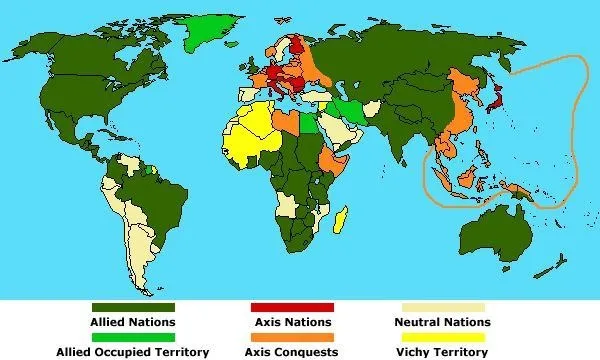 Photo: World War II, via allaboutworldwarzii.weebly.com
The program was wildly successful. Americans bought $185 billion worth of war bonds—far more than traditional bonds had ever raised.
The Corporate Discovery
After the war, corporations started noticing something interesting about their employees. The workers who had bought war bonds during the conflict were more likely to participate in company savings programs, more likely to stay with the company longer, and more likely to retire with adequate funds.
But there was a problem: most employees weren't buying bonds or participating in savings programs at all.
In the 1950s, a few forward-thinking companies started experimenting with prize-linked savings. Employees who contributed to retirement accounts were entered into monthly drawings for cash prizes. Participation rates skyrocketed.
The insurance industry took notice. By the 1960s, whole life insurance policies often included lottery-style bonuses and prize drawings. The products that sold best weren't necessarily the ones with the highest returns—they were the ones that made saving feel like playing.
The 401(k) Revolution
When Congress created the 401(k) in 1978, nobody expected it to become America's primary retirement system. But as companies shifted away from traditional pensions, they discovered that getting employees to save required more than just offering the option.
The solution came from behavioral economists who had been studying those old immigrant savings clubs and carnival psychology. They realized that automatic enrollment, employer matching, and periodic bonuses created the same psychological triggers that made prize-linked savings so effective.
Today's 401(k) system is built on principles that would be instantly recognizable to anyone who participated in a 1910 tanda or bought a 1943 war bond: make saving automatic, provide immediate positive feedback, and create the possibility of getting more than you put in.
The Modern Inheritance
Walk into any bank today and you'll see the descendants of those basement savings clubs everywhere. High-yield savings accounts with bonus rates for new customers. Credit cards that offer cash back and rewards points. Investment apps that round up purchases and invest the spare change.
Even the language has evolved to emphasize opportunity over sacrifice. We don't "put money away"—we "invest in our future." We don't "save for retirement"—we "build wealth."
The most successful modern savings programs all use some version of the psychology that immigrant communities discovered a century ago: make the reward visible, make the process social, and make the outcome feel like winning rather than waiting.
The Irony of Innovation
The financial institutions that once dismissed prize-linked savings as gambling now spend billions trying to recreate the same psychological effects through sophisticated marketing and behavioral design.
Mobile banking apps use notifications and progress bars that function exactly like carnival games—providing immediate feedback and the promise of rewards for continued participation. Robo-advisors offer portfolio rebalancing and tax-loss harvesting that create the illusion of active management and frequent wins.
Venture capitalists pour money into fintech startups that gamify saving and investing, never realizing they're trying to recreate what already existed in basement savings clubs 110 years ago.
The Unplanned Legacy
None of this was supposed to happen. The immigrants running tandas weren't trying to revolutionize American finance—they were just recreating the informal banking systems they'd used in their home countries.
Carnival operators weren't developing behavioral psychology—they were just trying to maximize revenue from traveling entertainment.
Treasury officials weren't pioneering modern savings incentives—they were desperately trying to fund a war.
But sometimes the most powerful innovations come from people who aren't trying to innovate at all—they're just trying to solve an immediate problem with whatever tools they have available.
Today, when financial advisors encourage automatic savings transfers and employers offer retirement plan matches, they're using strategies that began with immigrants who understood something that took economists decades to figure out: the best way to get people to save money is to make it feel like they might win something.