
When the Camera Revealed Everything
In 1910, Max Factor stood in a Hollywood studio watching an actress's face melt under the lights. The thick, waxy greasepaint that worked perfectly on gas-lit theater stages was turning into a toxic disaster under the new electric arc lamps that movie cameras required.
 Photo: Max Factor, via static.thcdn.com
The makeup, designed for audiences sitting 50 feet away, looked grotesque in close-up. Worse, it was literally burning actors' skin. The lead-based paints and harsh chemicals that created dramatic stage effects were causing rashes, burns, and permanent scarring when exposed to the intense heat of studio lighting.
Factor, a Russian-born wigmaker who had fled to America to escape the pogroms, realized he was looking at an entirely new problem. Theater makeup wasn't just inappropriate for film—it was dangerous.
He had no idea he was about to accidentally invent an industry worth $500 billion.
The Toxic Theater Legacy
For centuries, stage makeup had been a crude affair. Actors mixed their own concoctions from whatever was available: chalk and flour for white face paint, brick dust and iron oxide for red, burnt cork and lamp black for dark colors.
By the 1800s, commercial theater makeup had evolved into something more sophisticated but far more dangerous. Manufacturers used lead carbonate for white, mercury for red, and antimony for black. The goal wasn't safety—it was visibility from the back row of a theater.
Under gas lighting, these toxic mixtures created the dramatic contrasts that audiences expected. But electric lights, which burned four times hotter and produced a completely different spectrum of light, turned these traditional makeups into a nightmare.
Actors were suffering chemical burns, respiratory problems, and neurological damage from prolonged exposure to lead and mercury-based cosmetics.
The Hungarian Solution
Max Factor wasn't a chemist—he was a practical businessman who understood that Hollywood's biggest stars couldn't keep poisoning themselves for the camera. So he started experimenting.
Instead of using theater makeup's heavy, waxy base, Factor developed lighter formulations that would photograph well without requiring dangerous chemicals. He replaced lead with safer pigments, eliminated mercury entirely, and created foundations that enhanced rather than masked natural skin tones.
The breakthrough came when he realized that movie makeup didn't need to be visible from 50 feet away—it just needed to look natural on camera. This completely reversed the traditional approach to cosmetics.
For the first time in history, makeup was designed to enhance beauty rather than create artificial theatrical effects.
The Camera's Unforgiving Eye
Early film technology was brutally honest. The orthochromatic film stock used in silent movies was sensitive to blue and green light but blind to red. This meant that red lips appeared black on screen, while blue eyes looked pale and washed out.
Factor had to completely reimagine color theory for cosmetics. He developed specialized makeup that would translate correctly through the camera lens—reds that would appear red on film, skin tones that wouldn't look ghostly or artificial.
This technical challenge forced innovations that had never been necessary in theater. Factor's team had to understand not just chemistry and dermatology, but optics, lighting, and the physics of how different materials reflected light.
The result was makeup that looked better in real life than traditional cosmetics, even when you weren't being filmed.
The Accidental Mass Market
By the 1920s, Factor's custom makeup was transforming Hollywood stars like Mary Pickford, Clara Bow, and Joan Crawford. But something unexpected started happening: regular women began demanding the same products.
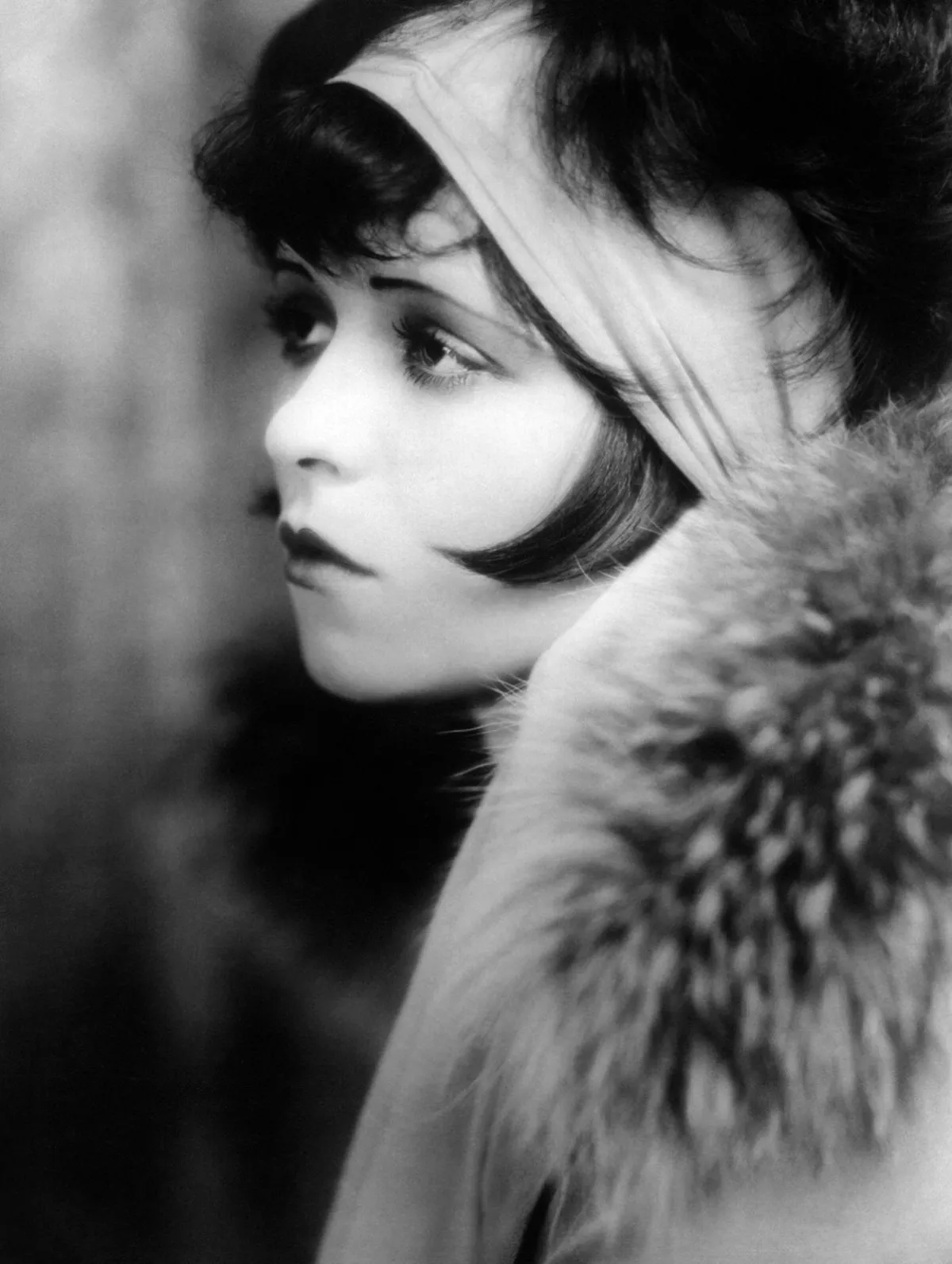 Photo: Clara Bow, via cdn.britannica.com
They'd see their favorite actresses looking flawless on screen and want to recreate that look in their daily lives. Factor initially resisted mass production—his makeup was designed for professional use under controlled studio conditions.
But the demand was overwhelming. Women were literally showing up at his Hollywood studio asking to buy the same cosmetics he made for movie stars.
Factor realized he was sitting on something much bigger than a niche business serving the entertainment industry.
The Science of Everyday Beauty
The transition from professional film makeup to consumer cosmetics required another round of innovation. Products that worked for a few hours under studio lights needed to be reformulated for all-day wear in normal conditions.
Factor's team developed new preservation techniques to prevent bacterial growth, created packaging that would maintain product integrity during shipping and storage, and formulated cosmetics that would work across different skin types and lighting conditions.
They also had to solve manufacturing challenges that theater makeup companies had never faced. Instead of making small batches for a handful of actors, they needed to produce thousands of identical products that would perform consistently across the country.
This industrialization of beauty required innovations in chemistry, manufacturing, quality control, and distribution that became the foundation of the modern cosmetics industry.
The Psychological Revolution
But Factor's most important innovation wasn't technical—it was psychological. By positioning cosmetics as tools for enhancing natural beauty rather than creating artificial theatrical effects, he fundamentally changed how American women thought about makeup.
Before Factor, makeup was associated with actresses, prostitutes, and other women of questionable virtue. Respectable women might use a little powder or rouge, but anything more dramatic was considered inappropriate.
Factor's film-tested cosmetics gave everyday women permission to wear makeup by framing it as enhancement rather than deception. If Clara Bow could look natural and beautiful wearing Factor's makeup, then regular women could too.
This shift from makeup as disguise to makeup as enhancement became the philosophical foundation of the modern beauty industry.
The Unintended Empire
By the 1930s, Max Factor had become the dominant name in both professional and consumer cosmetics. But he'd done more than build a successful business—he'd accidentally created the template that every cosmetics company still follows today.
The idea that makeup should enhance rather than mask natural features, the focus on how products photograph and appear under different lighting conditions, the emphasis on skin safety and product testing—all of these became industry standards because Factor had to solve the specific problems of early Hollywood.
Today's cosmetics giants like L'Oréal, Revlon, and Estée Lauder all trace their approaches back to innovations that Factor developed to keep movie stars from poisoning themselves under studio lights.
The Hidden Foundation
Every time you buy foundation that matches your skin tone, lipstick that doesn't contain lead, or mascara that won't cause chemical burns, you're benefiting from innovations that began with a Hungarian immigrant trying to solve a very specific problem in early Hollywood.
The modern beauty industry—with its emphasis on enhancement over transformation, its focus on safety and skin compatibility, and its promise to make everyday women look like movie stars—exists because early film technology was unforgiving and traditional theater makeup was literally toxic.
Max Factor died in 1938, just as his innovations were becoming the global standard for cosmetics. He'd lived to see his solutions to Hollywood's technical problems transform into an industry that would eventually touch the daily lives of billions of women.
But he probably never imagined that his emergency fix for melting stage makeup would become the foundation for how the entire world thinks about beauty.