When America Didn't Care About Underarm Odor
In 1900, if you had told an American that they needed to buy a product to prevent underarm odor, they would have looked at you like you were selling snake oil. Body smell was simply part of human existence, as natural and unavoidable as breathing or sweating.
People bathed when convenient—maybe once a week, sometimes less during winter months. They changed clothes when necessary. Strong scents were masked with perfumes or colognes, but the idea that natural body odor was a social problem requiring a commercial solution didn't exist in the American consciousness.
Then Edna Murphey decided to change everything.
The Surgeon's Secret Formula
Dr. Abraham Murphey had developed his antiseptic solution for a practical purpose: keeping his hands sterile during surgery. Working as a Cincinnati surgeon in the early 1900s, he needed something that would kill bacteria more effectively than soap and water. His homemade formula worked perfectly for medical applications, but that's where its usefulness seemed to end.
Edna Murphey, the doctor's daughter, had been watching her father use the solution for years. She noticed something interesting: it didn't just kill bacteria on hands—it eliminated odor completely. In 1910, she had an idea that would reshape American culture.
What if people used her father's medical antiseptic in their underarms?
Dr. Murphey was horrified. He'd spent years building a respectable medical practice, and his daughter wanted to turn his sterile surgical solution into a personal hygiene product. The idea struck him as both unseemly and potentially damaging to his professional reputation.
Edna ignored her father's objections and started mixing batches of his formula in her kitchen.
The Problem That Didn't Exist
Edna Murphey faced a unique marketing challenge: she was trying to sell a solution to a problem that Americans didn't think they had. In 1910, there was no deodorant industry, no underarm anxiety, no social shame around natural body odor.
She started small, selling her product—which she called "Odorono" (Odor? Oh No!)—door-to-door in Cincinnati. The initial reception was exactly what you'd expect when trying to convince people they had a problem they'd never considered.
Most women politely declined. Some were offended by the suggestion that they needed such a product. A few were curious enough to try it, but sales remained minimal. After two years of door-to-door marketing, Edna had barely covered her production costs.
She realized she needed a different approach. Instead of selling a product, she needed to sell anxiety.
The Advertisement That Changed Everything
In 1912, Edna Murphey placed an advertisement in Ladies' Home Journal that would become a template for fear-based marketing for the next century. The ad didn't focus on Odorono's benefits—it focused on the social catastrophe of not using it.
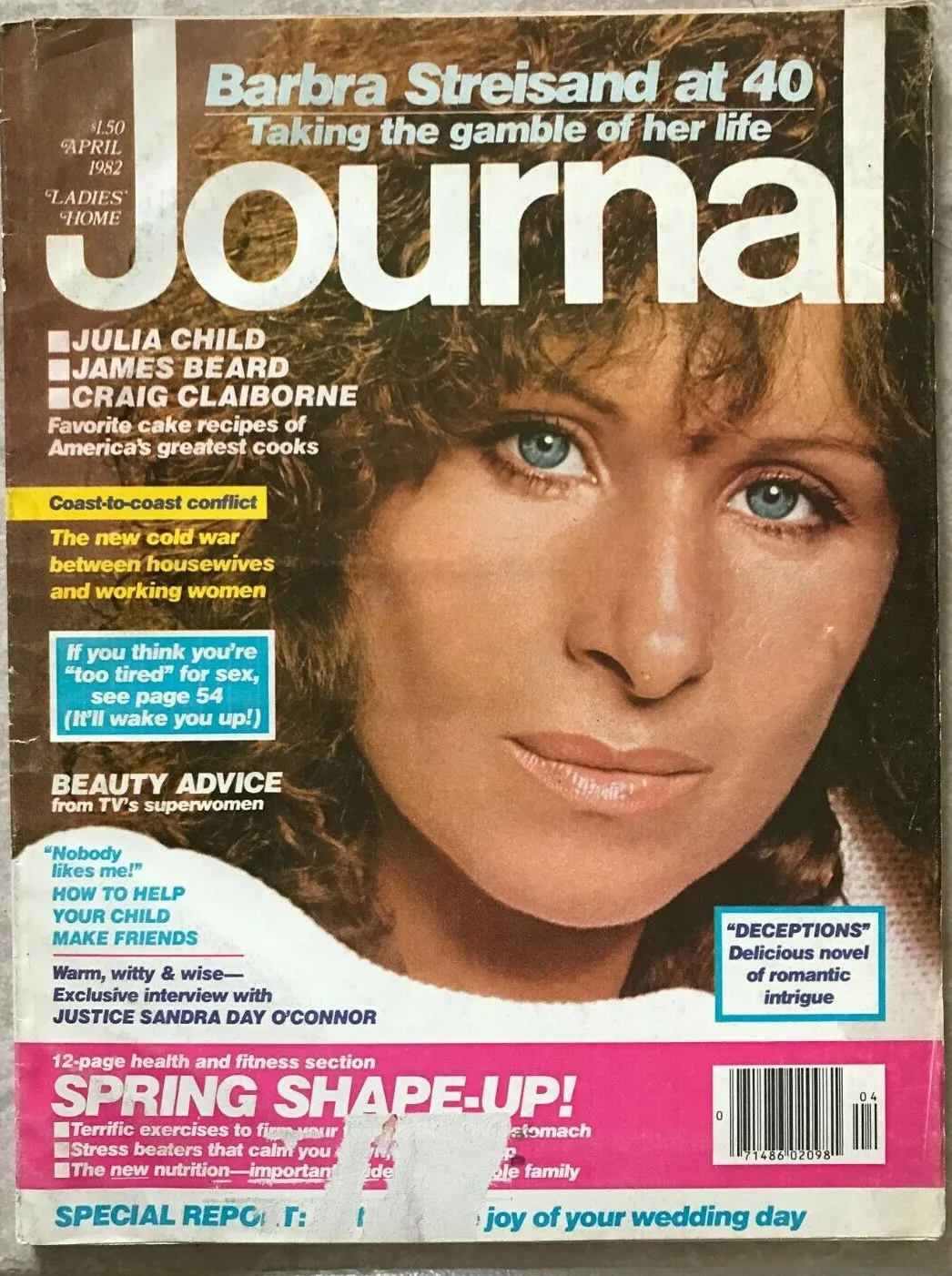 Photo: Ladies' Home Journal, via wonderclub.com
"Within the Curve of a Woman's Arm," the headline read, "A frank discussion of a subject too often avoided."
The ad copy was revolutionary in its directness and psychological manipulation. It described scenarios where women unknowingly offended others with underarm odor, losing social standing and romantic opportunities. It suggested that perspiration was not just natural, but actively disgusting to others.
Most importantly, the ad created a new category of social anxiety. It implied that Americans had been embarrassing themselves for years without realizing it, and that everyone around them had been too polite to mention the problem.
The response was immediate and overwhelming. Women flooded the company with orders, not because they had previously been concerned about underarm odor, but because the advertisement had convinced them they should be.
Manufacturing Shame as Marketing Strategy
Encouraged by the success, Edna Murphey and her advertising team developed increasingly sophisticated psychological campaigns. They created fictional scenarios where women lost jobs, relationships, and social status due to underarm odor. They suggested that using deodorant was a mark of refinement and education.
The campaigns deliberately targeted women's insecurities about social acceptance and romantic desirability. Advertisements implied that any woman who didn't use deodorant was either ignorant of social expectations or careless about her appearance.
By 1915, Odorono advertisements were running in major women's magazines across the country. Each campaign reinforced the same message: body odor was a serious social problem that required a commercial solution.
The strategy worked because it tapped into existing anxieties about class and respectability. Using deodorant became a way to signal sophistication and social awareness.
The Masculine Market Expansion
Initially, deodorant marketing focused exclusively on women, but advertisers soon realized they were ignoring half their potential market. In the 1930s, companies began targeting men with similar fear-based campaigns.
Male-focused advertisements took a different approach, emphasizing professional consequences rather than romantic ones. They suggested that men with body odor were less likely to succeed in business, less respected by colleagues, and less effective as leaders.
The messaging was remarkably similar to women's advertising but adapted for masculine anxieties. Instead of losing romantic prospects, men risked losing promotions. Instead of social embarrassment, they faced professional humiliation.
By 1940, both men and women were regularly purchasing products to prevent a problem that previous generations had never considered problematic.
The Complete Cultural Transformation
Within thirty years, Edna Murphey's kitchen experiment had fundamentally altered American social expectations. Body odor went from being a natural human characteristic to being a source of shame and anxiety.
The transformation was so complete that by 1950, most Americans couldn't imagine a time when people didn't use deodorant. The idea that previous generations had simply accepted natural body odor seemed primitive and disgusting.
Deodorant became a rite of passage, with parents teaching children that using it was part of becoming a responsible adult. The daily application of underarm products became as routine as brushing teeth or combing hair.
The Billion-Dollar Fear Industry
Today, Americans spend over $3 billion annually on deodorants and antiperspirants. The industry that Edna Murphey created from her father's surgical antiseptic has become one of the most reliable sectors in personal care products.
The marketing techniques she pioneered—creating anxiety about natural bodily functions, then selling solutions—became standard practice across numerous industries. Everything from mouthwash to foot powder to feminine hygiene products uses variations of her psychological approach.
What makes the deodorant story particularly fascinating is how completely it worked. Unlike many marketing campaigns that create temporary demand, Murphey's fear-based approach permanently altered American culture. She didn't just sell a product—she redefined what it meant to be socially acceptable.
The next time you automatically reach for deodorant each morning, remember that this daily ritual exists because one determined woman convinced an entire nation that they had a problem they'd never known they had. Sometimes the most successful innovations aren't about creating better solutions—they're about creating problems that never existed before.