The Glass of OJ You Drink Every Morning Was Invented by an Ad Agency
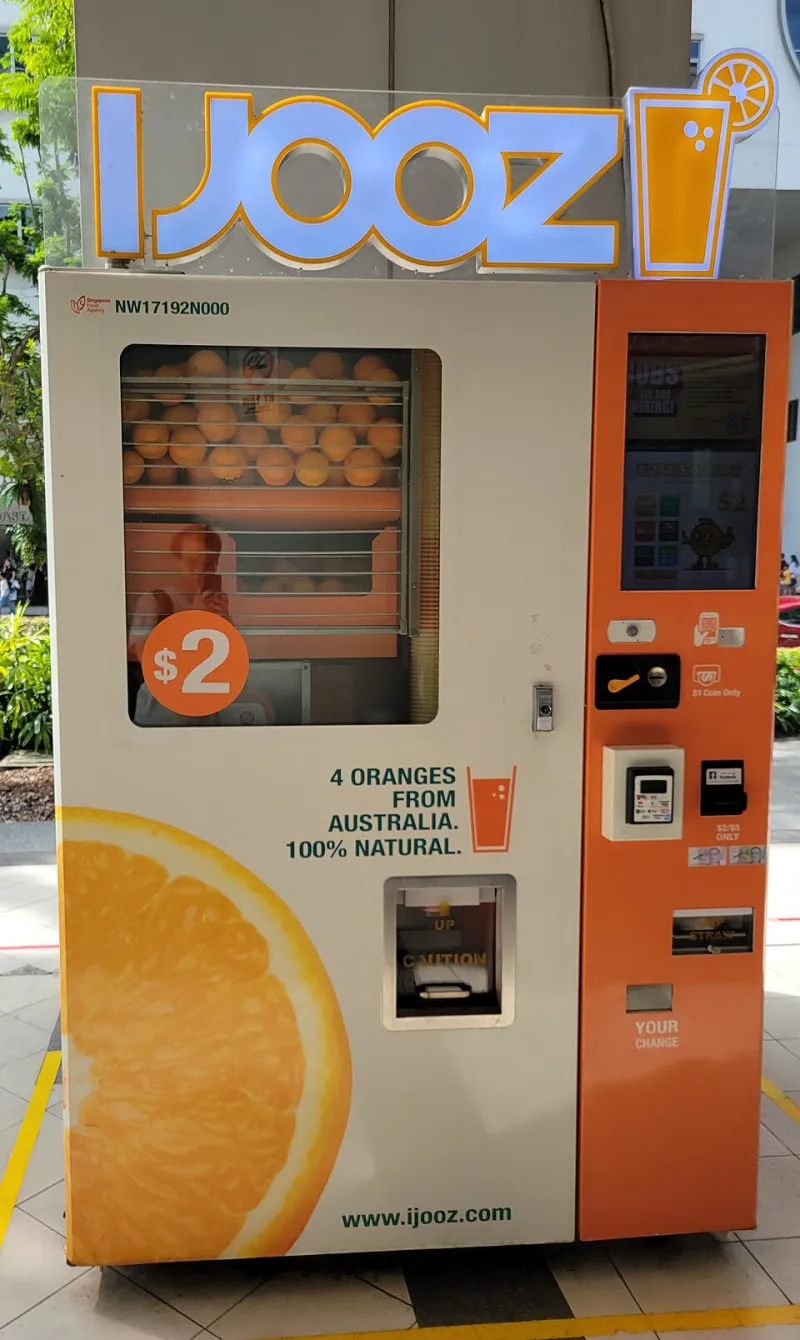
Photo: OhanaUnitedTalk page, CC BY-SA 4.0, via Wikimedia Commons
Ask most Americans why they drink orange juice with breakfast and they'll look at you like you've asked why the sky is blue. It's just what you do. It's healthy. It has vitamins. It's breakfast.
But here's the thing: a century ago, almost nobody in America drank orange juice in the morning. Or any other time of day, for that matter. Oranges were a luxury item, consumed as an occasional treat — not squeezed into a daily ritual. The idea that a glass of OJ is a natural, obvious part of the American morning is, in fact, one of the most successful marketing campaigns in food history. And it was born out of desperation.
California Had Too Many Oranges and No Plan
By the early 1900s, California's citrus industry had a problem that sounds almost too good to be true: they were drowning in fruit. New irrigation technology and agricultural expansion had caused orange production to skyrocket, and growers couldn't move the supply fast enough. Prices were collapsing. Orchards were being abandoned. The industry was heading toward a slow-motion disaster.
In 1907, a group of California orange growers formed a cooperative called the California Fruit Growers Exchange — later known by the name that would become iconic: Sunkist. Their goal was simple and audacious. They didn't want to just sell more oranges. They wanted to change how Americans thought about oranges entirely.
They hired the Lord & Thomas advertising agency out of Chicago, and what followed was one of the earliest and most aggressive consumer behavior campaigns in American history.
Selling a Habit, Not a Product
The campaign's genius was that it didn't just advertise oranges. It advertised a behavior. Sunkist and Lord & Thomas launched a push to convince Americans that drinking the juice of fresh oranges — not eating the fruit, but juicing it — was a healthy, essential daily habit. They promoted the idea in magazines, on billboards, and in newspaper ads across the country.
To make the behavior as easy as possible, they did something nobody had thought to do before: they mass-marketed the orange juicer. Sunkist began selling glass citrus reamers for just ten cents — essentially giving away the tool needed to perform the daily ritual they were selling. The message was clear: here's the habit, here's the tool, now get started.
It worked. Orange consumption in the United States nearly doubled within a decade. But the campaign had only laid the groundwork. The real transformation was still coming.
The Great Depression and the Doctor's Orders
By the late 1920s, the orange juice habit had taken root in American cities, but it was still far from universal. Then two things happened in quick succession that cemented it permanently.
First, researchers began publishing findings about vitamins — particularly vitamin C — and the public became fascinated with the idea of nutritional science. Oranges were rich in vitamin C, and the citrus industry was quick to make the connection loudly and repeatedly. Drinking orange juice wasn't just pleasant; it was medicine. It was prevention. It was what responsible, health-conscious Americans did.
Second, the Great Depression forced Americans to think carefully about every food choice. Citrus growers, facing economic catastrophe, leaned harder into the health messaging. Orange juice was positioned not as a luxury but as a nutritional necessity — something you owed your family, especially your children. The emotional framing was powerful: skipping orange juice wasn't thrifty, it was negligent.
Doctors and nutritionists, many of whom were genuinely convinced by the vitamin C research, began recommending it. That medical endorsement gave the habit a legitimacy no advertisement could buy on its own.
Technology Made It Non-Negotiable
The final piece of the puzzle arrived after World War II in the form of a technological breakthrough that transformed orange juice from a fresh, perishable product into a pantry staple.
In 1948, researchers at the University of Florida — working under a wartime mandate to find ways to get vitamin C to soldiers overseas — developed a method for producing frozen concentrated orange juice. The concentrate could be stored for months, shipped anywhere, and reconstituted with water in seconds. It was cheap, convenient, and consistent.
Minute Maid, one of the first companies to commercialize the technology, launched a national campaign using Bing Crosby as a spokesperson. The product hit grocery store freezer sections across the country and immediately became a household staple. By the 1950s, orange juice wasn't just popular — it was expected. The American breakfast without it felt incomplete.
The Habit That Forgot It Was Invented
What's fascinating about the orange juice story is how thoroughly Americans internalized a manufactured habit as a natural one. Within two generations of the Sunkist campaign, the connection between orange juice and breakfast had become so deeply embedded in American culture that it stopped feeling like a choice. It felt like common sense.
Food historians point to it as a textbook case of how industries can reshape eating behavior at a national scale — not through force or regulation, but through sustained, emotionally resonant messaging delivered over decades. The citrus industry didn't just sell a product. They installed a reflex.
Today, the US orange juice market is worth billions of dollars annually, even as consumption has declined somewhat in recent years amid concerns about sugar content. The habit is loosening its grip on younger Americans who are reaching for smoothies or skipping juice entirely. But for the better part of a century, a glass of OJ in the morning was as American as the flag — a tradition that felt ancient and obvious and completely organic.
It was none of those things. It was a really good ad campaign.
Somewhere, the people who dreamed it up are owed a quiet, grudging round of applause.