The Stubborn Seeds That Started Everything
Georges de Mestral was picking cockleburs off his dog when he had the idea that would eventually soundtrack every American elementary school. The year was 1941, and the Swiss electrical engineer had just returned from a hunting trip in the Alps with his Irish pointer. Both man and dog were covered in the spiky seed pods that seemed impossible to remove cleanly.
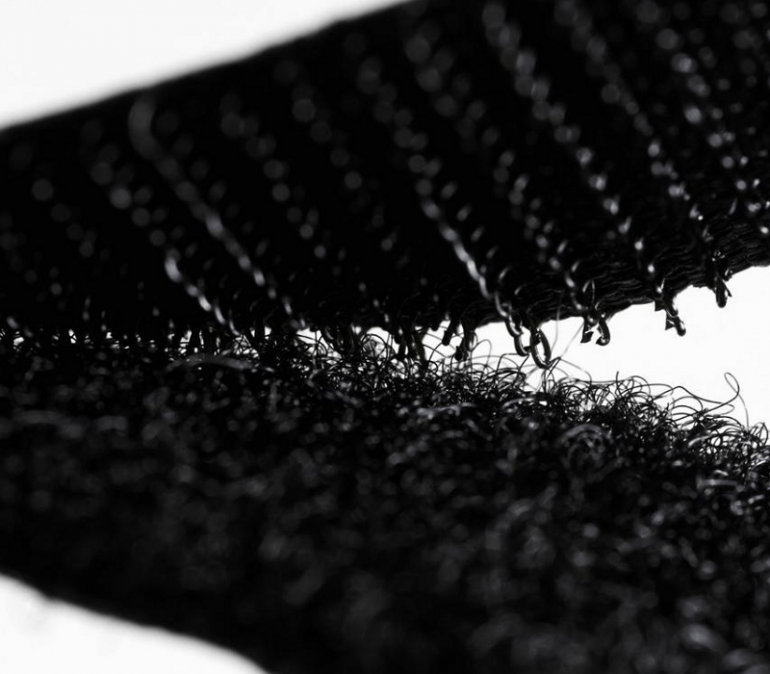 Photo: Georges de Mestral, via www.thedifferentgroup.com
Most people would have cursed the annoying burrs and moved on. De Mestral grabbed his microscope.
Under magnification, the cockleburs revealed their secret: hundreds of tiny hooks that caught onto anything with loops—fur, fabric, shoelaces. Nature had engineered the perfect temporary fastener, one that gripped firmly but released when pulled with enough force. De Mestral realized he was looking at a revolutionary closure system.
The concept seemed simple enough. Create artificial hooks that would catch onto artificial loops, mimicking the cocklebur's natural design. In reality, it would take him nearly two decades to make it work.
The Decade of Rejections
De Mestral's first challenge wasn't technical—it was convincing anyone to take him seriously. European textile manufacturers listened politely to his pitch about hook-and-loop fasteners, then showed him the door. The fashion industry dismissed the idea as crude and unattractive. Military suppliers couldn't see past buttons and zippers.
"They thought I was crazy," de Mestral later recalled. "Nobody understood why you would want a fastener that made noise."
Working largely alone, de Mestral experimented with different materials and manufacturing techniques. Early prototypes used cotton, which worked briefly before the loops wore out. He tried wool, which lasted longer but looked terrible. Synthetic materials were still in their infancy, and the few available options proved either too expensive or too weak.
By 1948, seven years after his initial discovery, de Mestral had burned through most of his savings and had little to show for it except boxes of failed prototypes.
The Nylon Breakthrough
De Mestral's breakthrough came from an unexpected source: Lyon's textile industry. French weavers, experimenting with newly available nylon, had developed techniques for creating incredibly durable loops. When de Mestral saw their work, he immediately recognized the solution to his durability problem.
Nylon loops could withstand thousands of attachment cycles without wearing out. Better yet, the material could be heated and cut to create hooks that were both flexible and strong. De Mestral partnered with a Lyon textile company and spent two more years perfecting the manufacturing process.
In 1951, he received his first patent for what he called "Velcro"—a combination of the French words "velours" (velvet) and "crochet" (hook). The name captured exactly what his invention did: soft hooks that grabbed onto soft loops.
But getting a patent and finding customers turned out to be entirely different challenges.
The Fashion Industry Says No
De Mestral assumed the fashion industry would embrace Velcro immediately. He was spectacularly wrong.
Designers hated the bulky appearance and the harsh ripping sound it made when opened. Clothing manufacturers worried about durability and washing instructions. Consumers, accustomed to buttons and zippers, found the concept strange and unappealing.
Even practical applications seemed limited. Velcro worked well for heavy-duty uses—securing tarps, closing bags, fastening equipment—but these industrial applications generated modest sales. De Mestral had created a solution that worked perfectly but couldn't find a problem that needed solving.
By the late 1950s, Velcro was becoming a commercial disappointment. De Mestral had spent nearly two decades developing a product that generated more curiosity than revenue.
NASA Changes Everything
In 1961, everything changed when NASA started preparing for the Apollo missions. Astronauts in zero gravity faced a problem that had never existed before: keeping equipment attached to their bodies without using their hands.
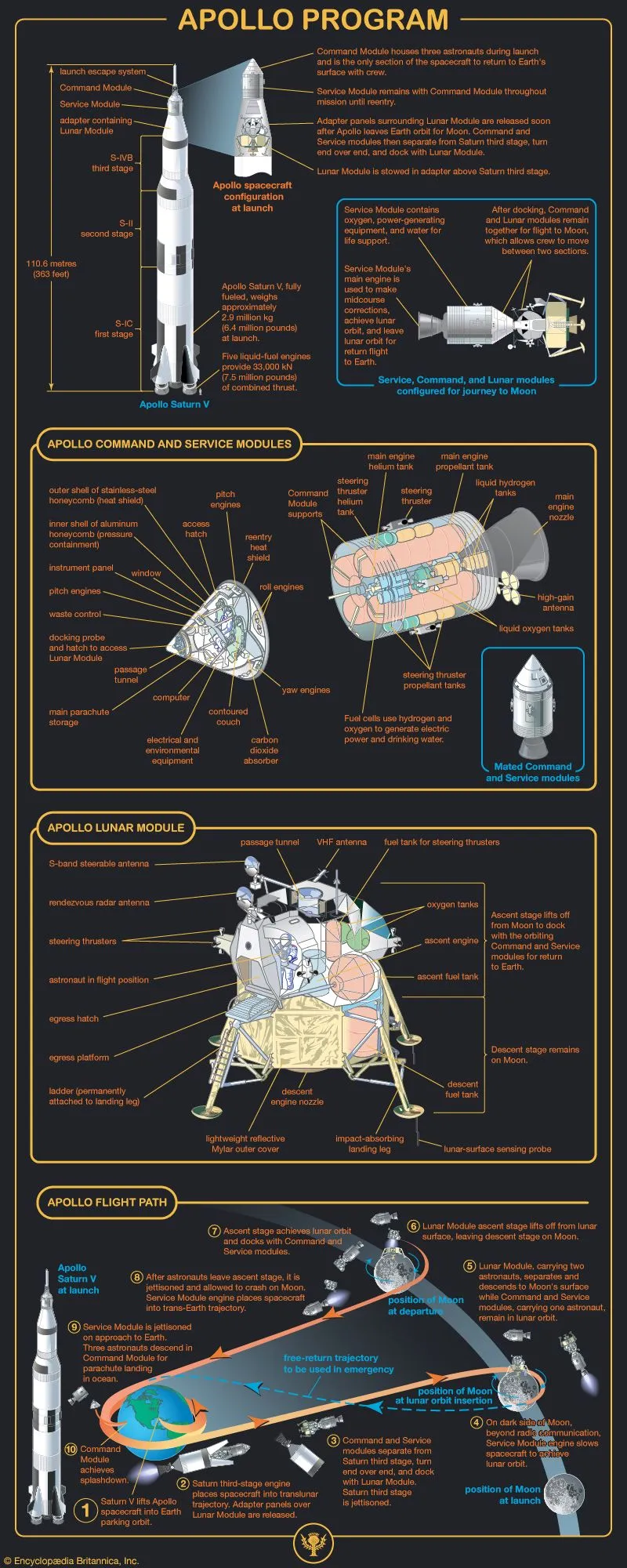 Photo: Apollo missions, via cdn.britannica.com
Traditional fasteners were useless in space. Buttons required fine motor control that was nearly impossible in bulky spacesuits. Zippers could jam, potentially creating life-threatening situations. Snaps were too weak to secure critical equipment.
Velcro solved all of these problems at once. It could be operated with thick gloves, provided adjustable strength depending on size, and created an audible confirmation when properly secured. NASA began incorporating Velcro into spacesuits, equipment storage, and even food packaging.
When Americans watched Neil Armstrong and Buzz Aldrin walking on the moon in 1969, they were also watching Velcro in action. The astronauts' equipment pouches, tool attachments, and even some interior spacecraft elements used de Mestral's hook-and-loop system.
 Photo: Neil Armstrong, via nationaltoday.com
The Playground Revolution
NASA's endorsement transformed Velcro's reputation overnight. If the technology was good enough for astronauts, it was certainly sophisticated enough for earthbound applications. American manufacturers suddenly saw potential everywhere.
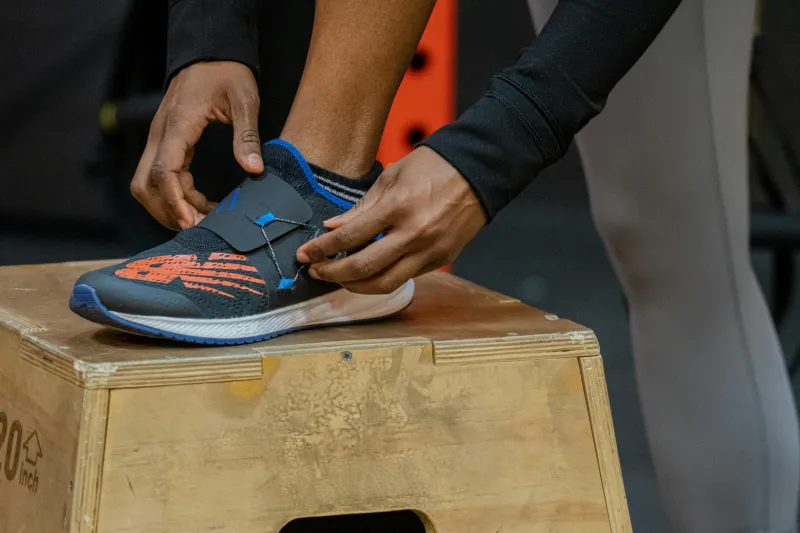
Children's shoe companies were among the first to capitalize. Velcro eliminated the need for children to learn complex shoelace tying, making independence possible at younger ages. Parents loved the convenience, and kids loved the satisfying rip sound of opening their shoes.
By the 1970s, Velcro had become the unofficial soundtrack of American elementary schools. Gym classes, playgrounds, and classrooms echoed with the distinctive sound of children fastening and unfastening their shoes, backpacks, and jackets.
The Accidental Cultural Icon
What de Mestral had envisioned as a practical fastening solution had become something much larger: a cultural phenomenon. The sound of Velcro ripping open became instantly recognizable to any American who grew up after 1970. It represented childhood independence, space-age technology, and the satisfying destruction of temporary bonds.
Today, Velcro generates hundreds of millions in annual revenue across thousands of applications. It secures blood pressure cuffs in hospitals, organizes cables in data centers, and still fastens millions of children's shoes every morning.
De Mestral's twenty-year journey from cocklebur observation to commercial success illustrates something fundamental about innovation: sometimes the most revolutionary ideas require not just a brilliant insight, but also the perfect moment when the world is finally ready to listen.
The next time you hear that distinctive ripping sound, remember that it started with a Swiss engineer, his dog, and a handful of stubborn seeds that refused to let go.