The Circus Trick That Taught America to Chew
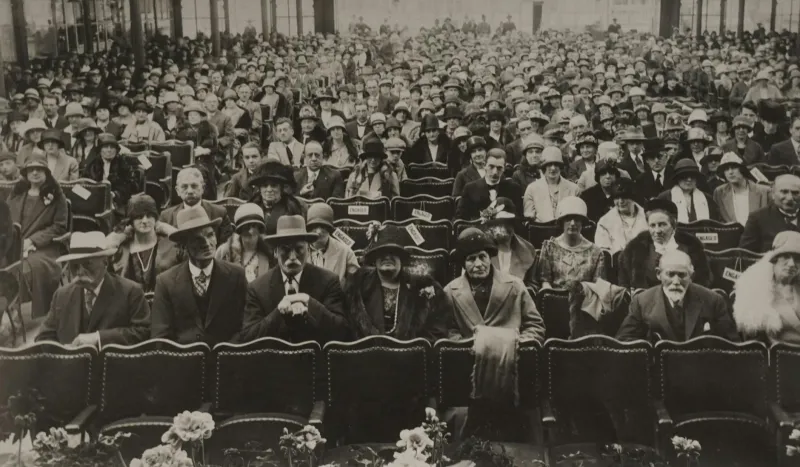
The Salesman Who Couldn't Sell Soap
William Wrigley Jr. came to Chicago in 1891 with $32 in his pocket and a wagon full of soap. He was a traveling salesman following a well-worn path: offer customers something free to sweeten the deal, then hope they'd buy your actual product. But Wrigley had a problem — nobody wanted his soap, even with the free incentives.
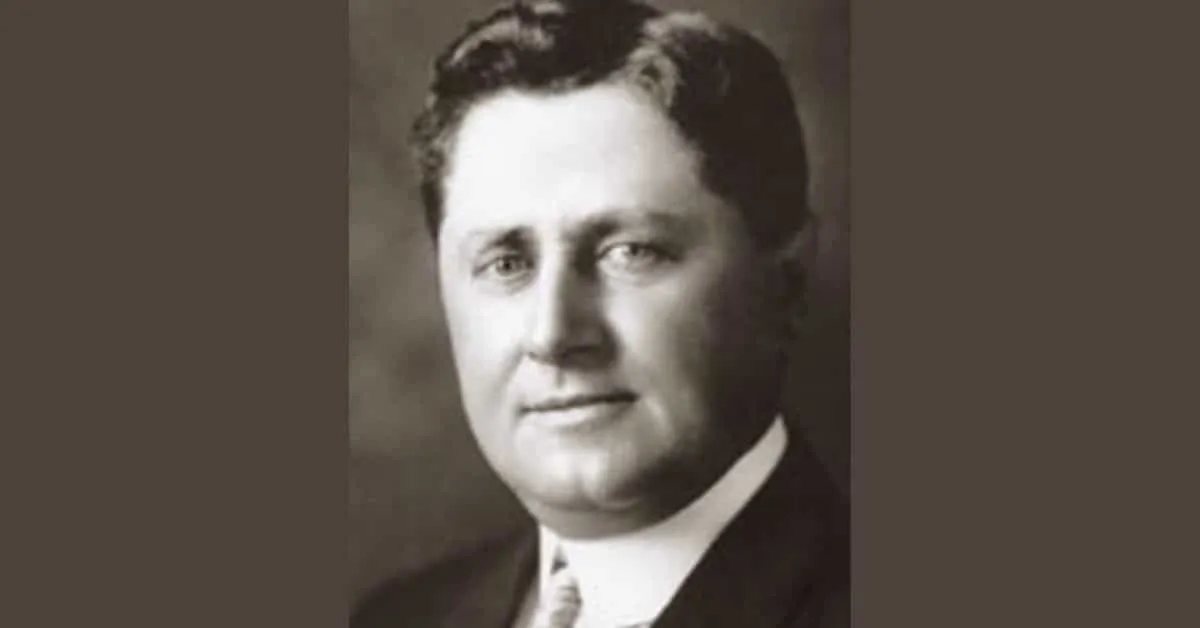 Photo: William Wrigley Jr., via www.snackhistory.com
First, he tried giving away baking powder with soap purchases. When that failed, he switched to giving away chewing gum with baking powder sales. That's when something unexpected happened: customers started asking for more gum and ignoring both the soap and the baking powder entirely.
Wrigley, who had learned showmanship working in his father's soap factory and watching circus performers, recognized an opportunity when he saw one. If people wanted gum more than soap, maybe he was selling the wrong product.
The Substance Nobody Understood
Chewing gum in the 1890s was nothing like today's product. It was made from chicle, a natural latex harvested from sapodilla trees in Central America. The substance had been chewed by Mayan and Aztec civilizations for centuries, but most Americans found the idea of chewing something you couldn't swallow completely bizarre.
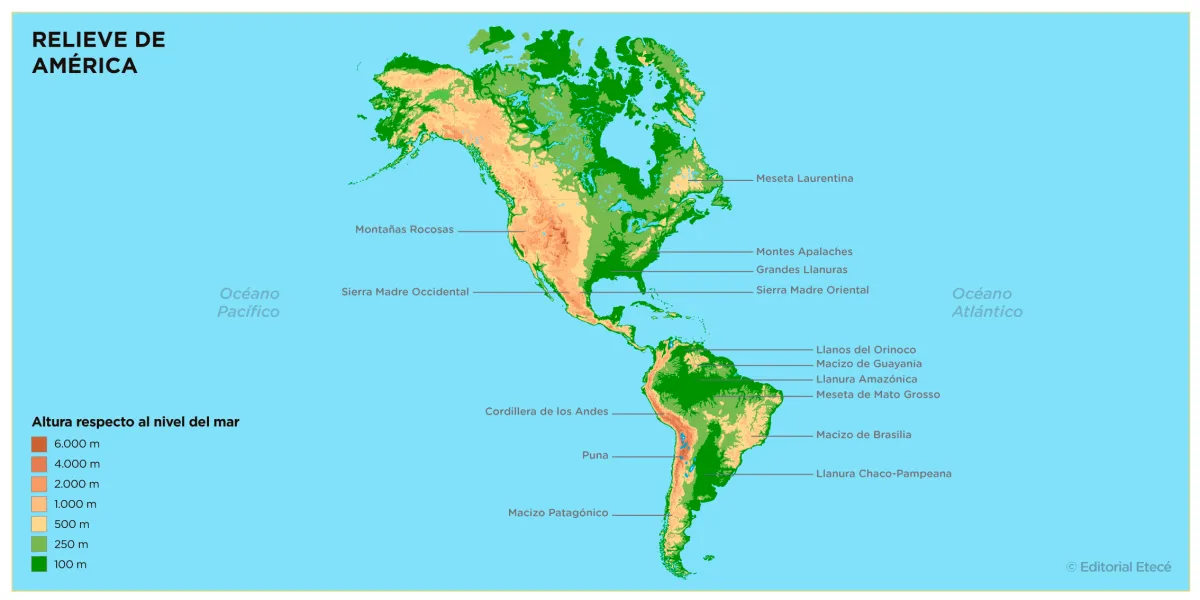 Photo: Central America, via meaningss.com
The few gum products available were marketed as medicinal aids or breath fresheners, sold primarily in pharmacies. Most people associated chewing with livestock or tobacco, making gum seem crude and unrefined. Polite society considered public gum chewing a sign of poor breeding.
Wrigley faced a massive cultural challenge: convincing Americans that chewing something purely for pleasure was not only acceptable but desirable.
The Circus Performer's Approach
Wrigley's background in entertainment proved crucial. He understood that selling gum wasn't just about the product — it was about changing how people thought about chewing itself. Drawing on circus marketing techniques, he decided to make gum fun, fashionable, and slightly rebellious.
His first breakthrough came with aggressive sampling campaigns. Wrigley sent teams of salespeople to hand out free gum at train stations, outside theaters, and during lunch breaks at factories. Unlike other gum manufacturers who sold primarily through pharmacies, Wrigley put his product directly into people's mouths.
The strategy was borrowed from circus advance teams who would create excitement for upcoming shows. Wrigley created excitement for a product most people had never tried and weren't sure they wanted.
Making Chewing Socially Acceptable
Wrigley's advertising campaigns deliberately targeted the social stigma around public chewing. His advertisements featured well-dressed, attractive people enjoying gum in respectable settings. Headlines promised that gum would improve your complexion, aid digestion, and keep your teeth clean.
But the real genius was in how Wrigley positioned gum as a modern convenience for busy Americans. His ads suggested that chewing gum was what sophisticated, efficient people did between meals to maintain fresh breath and mental alertness. He transformed gum from a crude habit into a sign of contemporary lifestyle.
Wrigley also understood the power of repetition. His advertising didn't just promote specific gum flavors — it promoted the act of chewing itself. Every ad reinforced the message that regular gum chewing was normal, healthy, and smart.
The Flavors That Hooked America
Wrigley's background in entertainment influenced his approach to flavor development. Instead of creating complex, sophisticated tastes, he focused on simple, memorable flavors that would create lasting associations. Spearmint and Juicy Fruit weren't just flavors — they were brands with personalities.
Spearmint was positioned as refreshing and professional, perfect for business meetings and social situations. Juicy Fruit was marketed as fun and energetic, appealing to younger customers and informal settings. Wrigley created the idea that different gums were appropriate for different occasions, multiplying potential sales opportunities.
This flavor branding was revolutionary. Previous gum manufacturers had treated flavor as a secondary consideration. Wrigley made it central to the product's identity, creating customer loyalty that went beyond simple taste preferences.
The Resistance Crumbles
Initially, many institutions tried to ban gum chewing. Schools prohibited it in classrooms. Offices banned it as unprofessional. Some restaurants refused to serve customers who were chewing gum. But Wrigley's marketing was too effective, and public opinion gradually shifted.
The turning point came during World War I, when the U.S. military began including gum in soldiers' rations. Suddenly, chewing gum became patriotic. If it was good enough for American soldiers, it was good enough for everyone else.
Dentists, who had initially opposed gum chewing as harmful to teeth, began endorsing sugar-free varieties as beneficial for oral health. Teachers discovered that students who chewed gum actually performed better on tests. The medical establishment gradually embraced what Wrigley had been claiming all along: chewing gum had genuine benefits.
The Daily Ritual is Born
By the 1920s, Wrigley had accomplished something remarkable. He had taken a substance most Americans had never heard of and turned it into a daily habit practiced by millions. Gum chewing became so normal that not chewing gum started to seem unusual.
The transformation was complete when parents stopped fighting their children's gum habits and started buying gum for themselves. What had begun as a novelty product became a routine purchase, as automatic as buying bread or milk.
Wrigley's circus-influenced marketing had created something unprecedented: a mass-market habit that served no practical purpose beyond pleasure and comfort. Americans were now paying money for the privilege of chewing something they would eventually throw away.
The Legacy of Manufactured Desire
Today, the global chewing gum market generates billions of dollars annually, all traced back to one salesman who couldn't sell soap. Wrigley proved that with the right marketing approach, you could create consumer demand for almost anything — even convincing people to adopt behaviors they had previously found disgusting.
The chewing gum story reveals how modern American consumer culture really works: not by satisfying existing needs, but by creating new desires and making them feel essential. Wrigley didn't just sell gum — he sold the idea that chewing was a natural, beneficial human activity that had somehow been forgotten.
Every time you unwrap a piece of gum, you're participating in a habit that one circus-trained salesman convinced an entire nation to adopt, proving that sometimes the most successful products are the ones nobody knew they wanted.