Death's Florists: How Funeral Flowers Bloomed Into America's Living Rooms
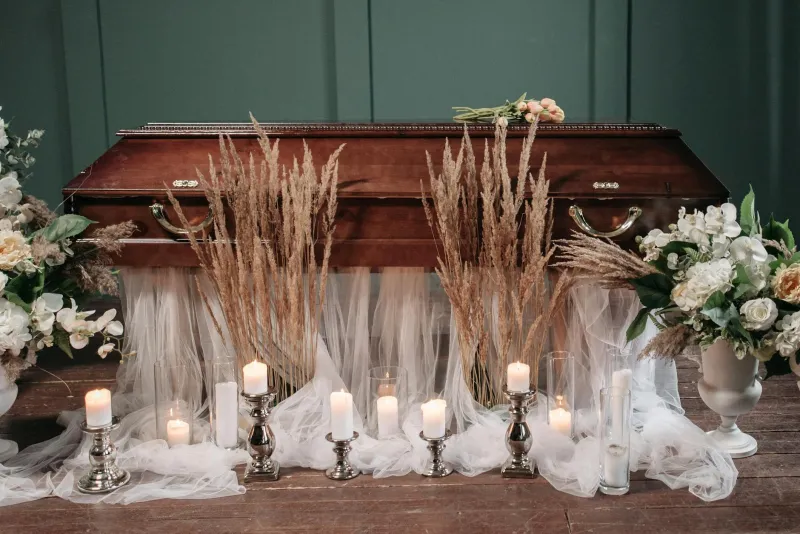
The Business Built on Goodbye
Walk into any American home today, and you'll likely find fresh flowers somewhere—on the dining table, kitchen counter, or bedroom nightstand. We treat this as natural, an ancient human impulse to bring nature indoors. But America's flower obsession has surprisingly morbid roots.
The infrastructure that delivers roses to your doorstep was built entirely around death.
In the 1880s, as American cities grew and formal funeral practices became standardized, a new industry emerged: professional funeral floristry. These weren't garden enthusiasts—they were businesspeople who recognized that grief created reliable demand for elaborate floral arrangements.
When Death Was Decorated
Victorian funeral customs demanded impressive floral displays. Wealthy families competed to show their love and status through increasingly elaborate arrangements. A proper funeral might feature dozens of wreaths, crosses, and sprays, transforming funeral parlors into temporary gardens.
Florists built their entire business model around this death economy. They established greenhouses, developed preservation techniques, and created distribution networks—all designed to serve the bereaved. By 1900, most American cities had multiple funeral florists operating year-round facilities.
But there was a problem: people only died sporadically. Even in large cities, funeral orders were unpredictable. Florists found themselves maintaining expensive operations that sat idle between tragedies.
The Great Pivot to the Living
Smart florists realized they needed customers who weren't dead—or waiting for someone to die. Around 1910, the industry began a coordinated campaign to sell flowers for life's celebrations instead of just its endings.
The Society of American Florists, founded in 1884 primarily to serve funeral needs, started promoting flowers for weddings, graduations, and romantic occasions. They published guides teaching florists how to market blooms for "happy events" rather than just sorrowful ones.
This wasn't organic cultural evolution—it was deliberate market expansion by an industry desperate for steady revenue streams.
Manufacturing Romance
Florists didn't just suggest that flowers might be nice for celebrations—they actively manufactured the cultural associations we now take for granted. Through coordinated advertising campaigns in the 1920s and 1930s, the industry taught Americans that flowers meant love, appreciation, and celebration.
They created Mother's Day flower traditions, promoted roses for Valentine's Day, and established the expectation that significant others should receive flowers for anniversaries. These weren't ancient customs—they were marketing campaigns that became cultural norms.
 Photo: Valentine's Day, via marketplace.canva.com
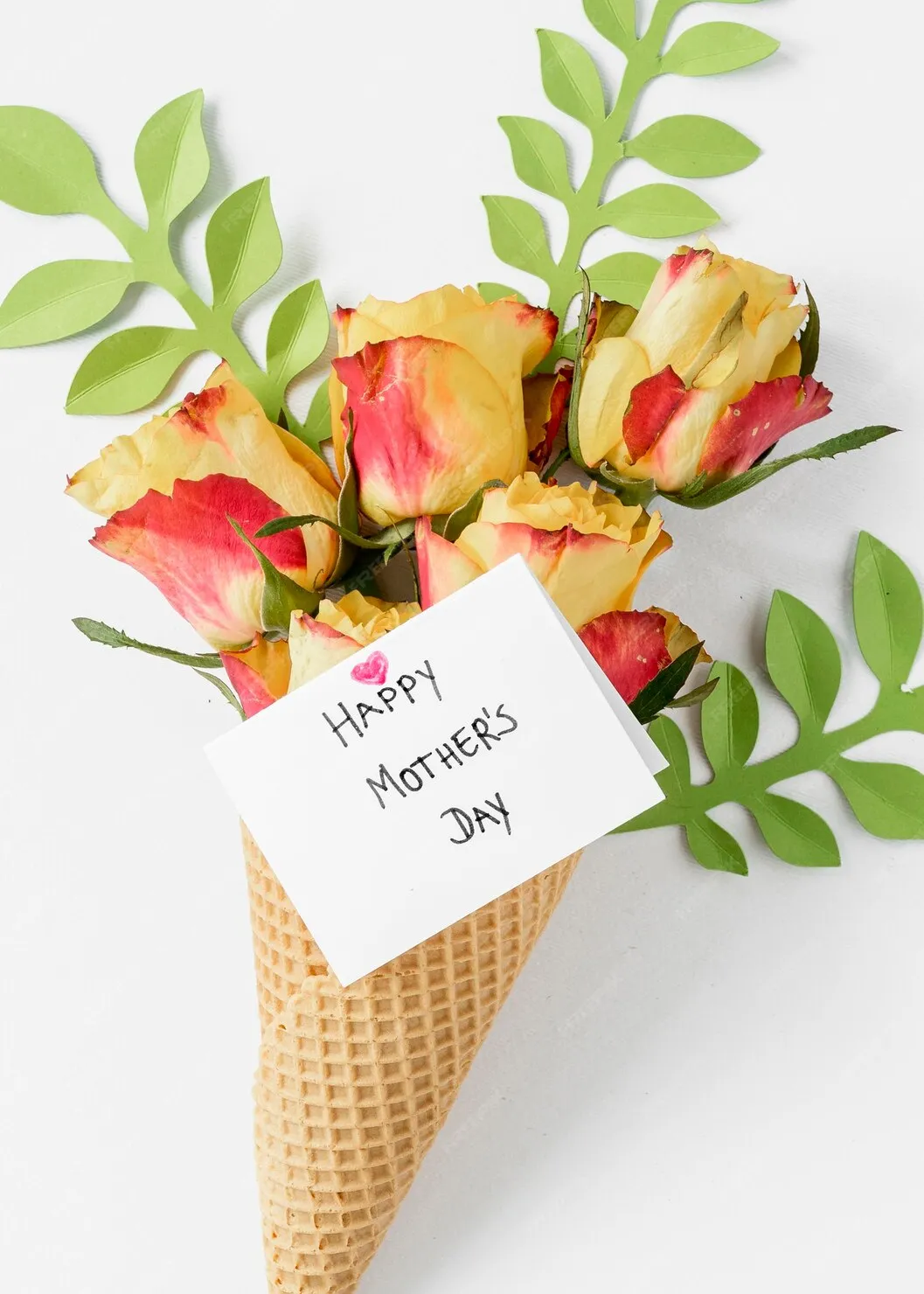 Photo: Mother's Day, via img.freepik.com
The industry even developed specific flower meanings, creating elaborate "floriography" guides that assigned romantic or celebratory significance to different blooms. Red roses meant passion, white roses meant purity, yellow roses meant friendship. None of this folklore was particularly old, but it felt ancient because florists presented it as timeless wisdom.
The Home Invasion Strategy
By the 1940s, florists had successfully expanded beyond special occasions into everyday home decoration. They promoted the idea that proper households should always have fresh flowers, just as they should always have clean linens or polished silverware.
Women's magazines, often sponsored by florist associations, featured articles about "bringing spring indoors" and "the psychology of fresh flowers." Home economics courses began teaching that flowers were essential elements of proper domestic management.
The industry had successfully transformed flowers from funeral necessities into lifestyle accessories. Americans began buying flowers not because someone died or got married, but simply because flowers had become normal household items.
The Infrastructure of Everyday Beauty
This cultural shift required massive infrastructure development. Florists expanded their greenhouse operations, developed better preservation and shipping methods, and created the distribution networks that still supply flowers to American homes today.
The same refrigerated transport systems designed to keep funeral arrangements fresh now deliver grocery store bouquets. The preservation techniques developed for multi-day funeral displays now extend the life of kitchen table centerpieces.
Modern flower delivery services, from local florists to companies like 1-800-Flowers, operate using distribution systems originally built to serve funeral parlors. The subscription flower services that deliver weekly bouquets to American homes represent the ultimate evolution of an industry that started by decorating death.
The Numbers Tell the Story
Today's flower industry generates over $35 billion annually in the United States, with only about 10% of sales related to funerals. The vast majority goes to living customers buying flowers for homes, celebrations, and casual gift-giving.
Americans now purchase approximately 4 billion stems annually for non-funeral purposes. The average household buys fresh flowers 3-4 times per year, treating them as routine purchases rather than special occasion necessities.
This represents one of the most successful industry pivots in American commercial history. Businesses built on death successfully convinced an entire culture to associate their products with life, love, and everyday beauty.
The Manufactured Tradition
The next time you buy flowers for your home or give them to someone you love, remember that you're participating in a tradition that was deliberately created by an industry looking for customers who weren't dead.
What feels like an ancient human impulse—decorating our lives with natural beauty—is actually a 20th-century marketing success story. The funeral florists who needed year-round revenue didn't just expand their market—they rewrote American domestic culture.
They taught us that flowers mean love, celebration, and everyday grace. And we believed them so completely that we forgot we ever had to be taught.