The Factory Scraps That Built America's Snack Empire
The Desperate Decision That Changed Everything
San Antonio, 1932. Elmer Doolin was staring at a pile of leftover masa dough that would normally get tossed in the trash. The Great Depression had taught everyone to waste nothing, but Doolin's small tortilla operation was barely surviving. That day, instead of throwing away the scraps, he decided to fry them.
 Photo: San Antonio, via morethanjustparks.com
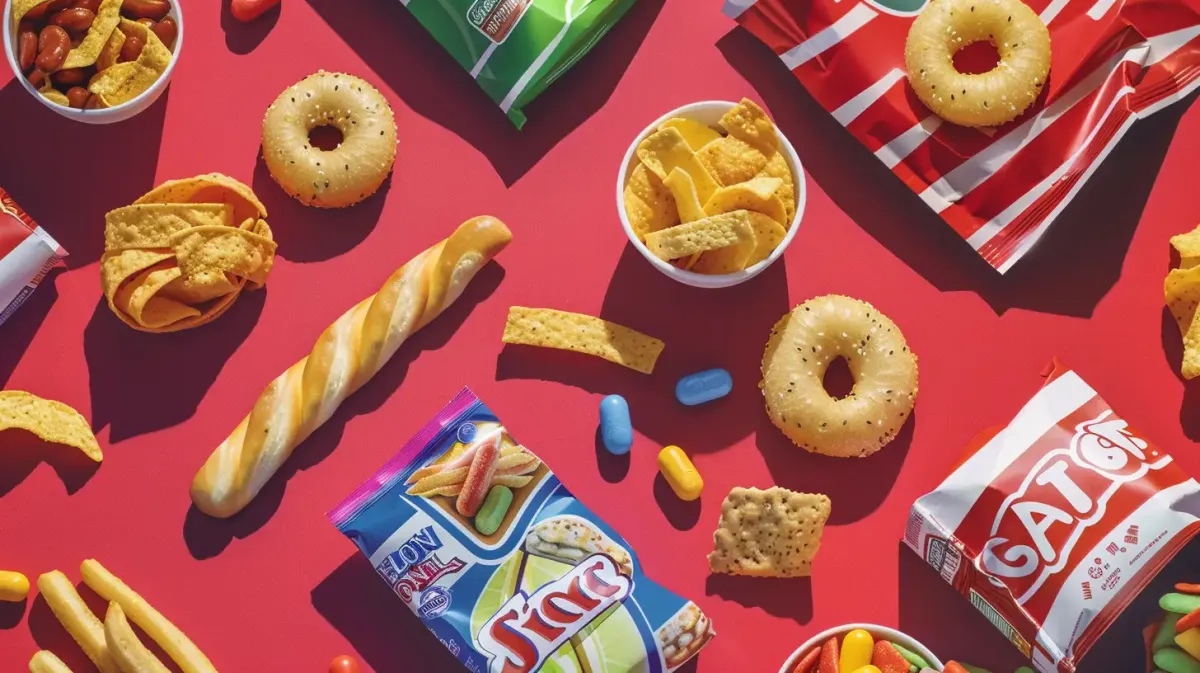 Photo: Elmer Doolin, via cdn.prod.website-files.com
What emerged from that hot oil wasn't just crispy pieces of corn dough—it was the accidental birth of America's corn chip obsession. Doolin had stumbled onto something that would reshape how Americans snacked, though he'd never live to see the empire his desperation created.
From Survival to Station Wagon Sales
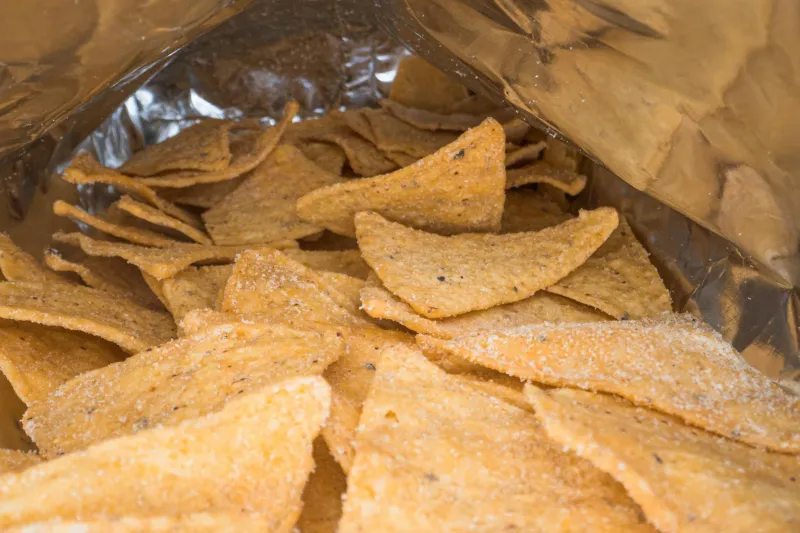
Doolin's fried masa scraps were an immediate hit with his customers. Unlike the tortillas that went stale quickly, these crispy chips stayed fresh for days. He started making them deliberately, seasoning them with salt, and selling them in small paper bags.
By 1933, Doolin had converted an old station wagon into a mobile snack shop, driving around San Antonio selling what he called "Fritos"—Spanish for "little fried things." He was making $2 a day, decent money during the Depression, but he had bigger dreams brewing.
The process was simple but labor-intensive. Doolin would mix corn masa with water, roll it flat, cut it into strips, and fry the pieces in small batches. Each bag contained exactly 5 cents worth of chips, and locals couldn't get enough of the salty, crunchy novelty.
The Patent That Nobody Wanted
Doolin knew he had something special, so in 1935 he filed for a patent on his corn chip manufacturing process. The U.S. Patent Office initially rejected his application, claiming that frying corn dough wasn't sufficiently innovative to warrant protection.
The rejection stung, but Doolin pressed on anyway. He borrowed $100 to buy better equipment and started producing chips on a larger scale. His mother and brother joined the operation, hand-cutting and frying thousands of chips daily in their home kitchen.
What the patent office didn't understand was that Doolin had perfected something entirely new in American snacking. Unlike potato chips, which were already established, corn chips offered a different texture and flavor profile that Americans had never experienced in packaged form.
When Big Business Came Knocking
By 1945, Doolin's Frito Company was producing millions of bags annually and expanding across Texas. That's when Herman Lay, founder of Lay's potato chips, took notice. Lay was building his own snack empire and saw the potential in Doolin's corn chips.
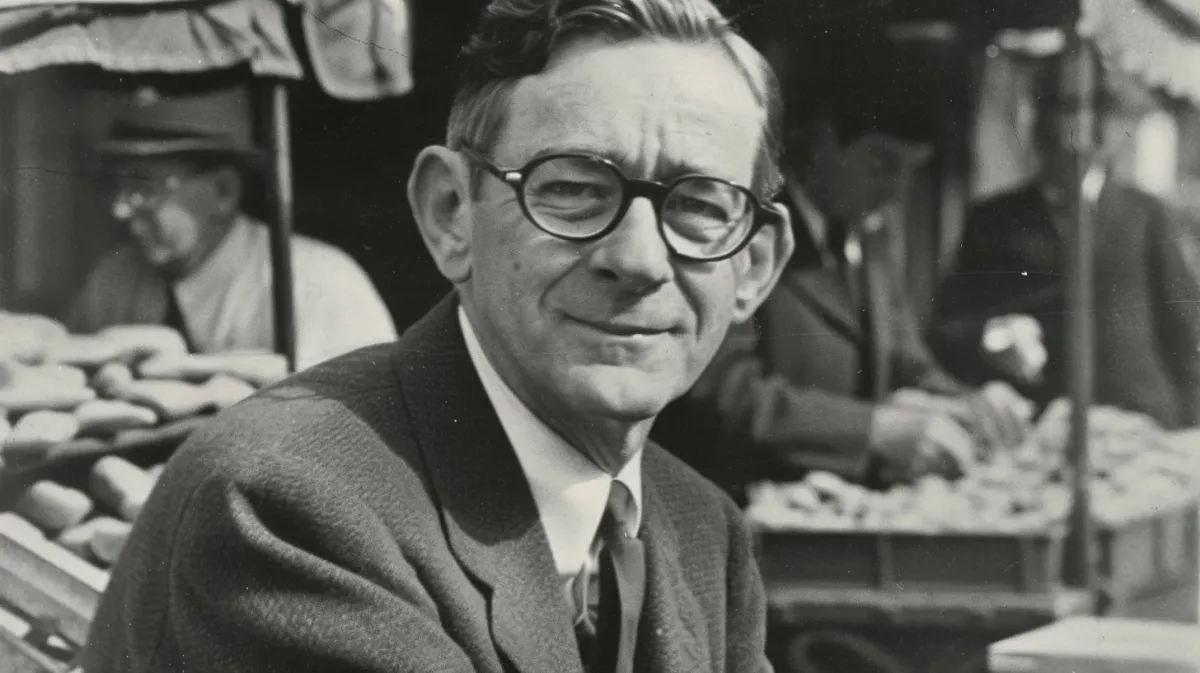 Photo: Herman Lay, via assets-global.website-files.com
The two companies began collaborating, with Lay handling distribution in the Southeast while Doolin focused on production and western expansion. It seemed like a perfect partnership—until corporate dynamics shifted everything.
In 1961, the companies merged to form Frito-Lay, creating the snack food giant that dominates American grocery aisles today. But the merger wasn't the equal partnership Doolin had envisioned.
The Inventor Who Got Left Behind
Elmer Doolin died in 1959, just two years before the merger that would make his corn chips a household name across America. His family retained some stake in the business, but corporate consolidation gradually diminished their influence.
Today, Frito-Lay generates over $18 billion in annual revenue, with corn-based snacks like Fritos, Doritos, and Cheetos accounting for a massive portion of those sales. The company that started with Depression-era food scraps now controls roughly 60% of the American snack market.
Doolin's original recipe remains largely unchanged—corn masa, oil, and salt—but the scale has exploded beyond anything he could have imagined. Modern Frito-Lay facilities can produce 175,000 pounds of corn chips per hour.
The Accidental Revolution
What makes Doolin's story remarkable isn't just the commercial success, but how a moment of practical thrift accidentally created an entire food category. Before 1932, Americans didn't snack on corn chips. The concept didn't exist.
Doolin wasn't trying to revolutionize snacking—he was trying to avoid throwing away perfectly good corn dough. His innovation came from necessity, not ambition. Yet that simple decision to fry leftover masa created a cultural shift that persists nearly a century later.
Today, the average American consumes about 4 pounds of corn chips annually. Super Bowl Sunday alone sees roughly 11 million pounds of chips consumed nationwide. None of this existed before a San Antonio tortilla maker decided that waste was worse than experimentation.
The next time you grab a bag of corn chips, remember that you're participating in a food tradition that began not in a corporate laboratory, but in a Depression-era kitchen where throwing away food simply wasn't an option.