The Rejected Patent That Accidentally Gave America Its Saturday Night Ritual
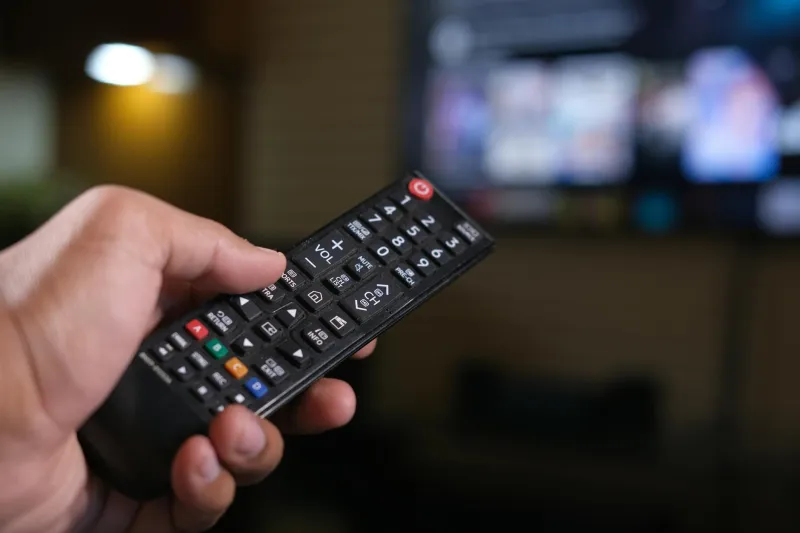
The Invention Nobody Wanted
In 1950, Eugene Polley was just trying to solve his boss's problem. The president of Zenith Radio Corporation hated getting up to change channels during commercial breaks, so he challenged his engineers to create a wireless solution. What Polley invented would accidentally reshape American culture in ways no one could have predicted.
The first remote control, called the "Lazy Bones," was connected to the TV by a long cable. Viewers loved it, but there was one major problem: people kept tripping over the wire. So Polley went back to the drawing board and created something revolutionary — the "Flash-Matic," a wireless remote that used focused light beams to control the television.
The Feature That Terrified Madison Avenue
Here's where the story gets interesting. Polley's remote came with a button specifically designed to mute commercials instantly. Zenith marketed this as the "flash commercial" feature, promising viewers they could "shut off annoying commercials while the picture remains on the screen."
Advertising executives were horrified. They immediately lobbied television manufacturers to remove or disable the mute function. Some even threatened to pull their advertising dollars from networks that promoted remote-controlled televisions. The very feature that made the remote appealing to consumers was exactly what made it terrifying to the people who funded television programming.
The Accidental Cultural Revolution
Despite industry resistance, Americans embraced the remote control with unexpected enthusiasm. By the 1960s, what started as a convenience for changing channels had evolved into something much more significant — the defining tool of American leisure culture.
The remote didn't just change how people watched TV; it changed how they relaxed. Suddenly, you could settle into your favorite spot on the couch and control your entire entertainment experience without moving. The Saturday night ritual of channel surfing was born, along with the phenomenon of "background television" — leaving the TV on while doing other activities.
The Rise of Channel Surfing
Before remote controls, watching television was a more deliberate activity. You chose a program, sat down, and watched it from beginning to end. The remote control introduced something entirely new: the ability to sample multiple programs simultaneously.
This behavior, which we now call "channel surfing" or "flipping," became a distinctly American pastime. Families developed their own remote control etiquette. Who got to hold it? When was it appropriate to change channels? These became serious household negotiations.
The phenomenon was so significant that by the 1980s, sociologists were studying "remote control families" and how the device affected family dynamics and viewing habits.
How Advertisers Adapted
Interestingly, the advertising industry's worst fears about remote controls didn't fully materialize. Instead of killing television advertising, the remote forced advertisers to become more creative and strategic.
Commercials became shorter, more visually striking, and front-loaded with brand information to catch viewers before they could reach for the remote. The industry developed new metrics for measuring "engagement" rather than just viewership, and advertisers learned to create content that people actually wanted to watch.
The remote control also gave birth to entirely new advertising strategies, like product placement within shows and sponsorship integration that couldn't be easily muted or skipped.
The Weekend Couch Potato is Born
Perhaps most significantly, the remote control helped create what we now recognize as the classic American weekend: settling in for hours of television browsing, often without committing to any single program. This behavior was so new that it needed its own vocabulary — terms like "couch potato" and "channel surfing" didn't exist before remote controls became common.
The device transformed the living room into a command center and made the couch the throne of American leisure. Weekend television marathons, binge-watching (before streaming), and the art of finding "something good on" all emerged from this single invention.
The Legacy of a 'Failed' Feature
Today, the remote control's original commercial-muting feature seems almost quaint compared to DVRs, streaming services, and ad-blockers. But its cultural impact was profound and permanent. The remote control didn't just change television — it created the template for how Americans expect to interact with their entertainment technology.
Every streaming service interface, every smart TV menu, every entertainment app is designed around the principle that Polley accidentally discovered: people want complete, effortless control over their viewing experience. The rejected patent that advertisers tried to kill became the foundation of modern American leisure culture, proving that sometimes the features people try to suppress are exactly the ones that change the world.