How Running Out of Gin Gave America One of Its Most Beloved Social Rituals
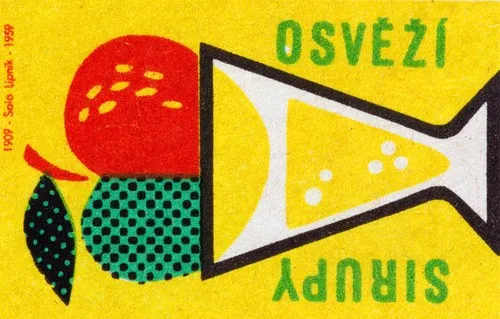
Photo: Unknown (commercial matchbox manufacturer), Public domain, via Wikimedia Commons
There's something almost ceremonial about the cocktail hour. That specific window — roughly five to seven in the evening — when Americans have historically paused, poured something, and gathered before dinner. It's embedded in mid-century film, in the architecture of the suburban living room, in the very design of the bar cart. It feels timeless, even aristocratic. The kind of thing that must have evolved slowly over centuries of refined social custom.
It didn't. The cocktail hour as Americans know it was essentially improvised under pressure, born from two consecutive decades of shortage and restriction — Prohibition and World War II rationing — and then preserved long after the conditions that created it had disappeared. What started as a workaround became a way of life.
 Photo of World War II, via Wikidata/Wikimedia Commons
What Prohibition Actually Did to Drinking
When the Eighteenth Amendment took effect in 1920, it didn't stop Americans from drinking. Anyone paying attention to the historical record knows that. What it did was completely restructure how and when Americans drank, and in doing so, it planted the seeds of something that would outlast the law by decades.
 Photo: Eighteenth Amendment, via i5.fapality.com
Before Prohibition, saloon culture dominated American drinking. Men drank at bars, often standing, often quickly, often as part of a working-class social routine that excluded women almost entirely. It was functional, not ceremonial. The idea of a deliberate pre-dinner drink as a social event — mixed, served at home, shared across genders — barely existed in mainstream American life.
Prohibition scrambled all of that. With legal bars gone, drinking moved into homes and speakeasies. It became private, domestic, and by necessity, more creative. Bootleg spirits were often rough — bathtub gin was a real thing, not just a phrase — and bartenders, both professional and amateur, learned to mask harsh flavors with mixers, citrus, sweeteners, and bitters. The cocktail as a craft was born partly from the need to make unpleasant liquor drinkable.
More importantly, the social context shifted. Drinking became something you did before dinner at someone's house, not instead of dinner at a bar. The hostess emerged as a key figure. The living room became the venue. And the ritual of gathering, mixing drinks, and socializing before sitting down to eat began to take shape as something distinct — a social act with its own unwritten rules.
Rationing Finished What Prohibition Started
Prohibition ended in 1933, but the drinking culture it had created didn't simply revert. Americans had spent thirteen years learning to drink differently, and those habits had taken hold. Then, less than a decade later, World War II brought a new set of restrictions that pushed the improvisation even further.
Grain rationing during the war years hit spirits production hard. Distilleries were redirected toward industrial alcohol for the war effort. Whiskey and gin became scarce. What remained was often lower quality, stretched with substitutes, or simply unavailable in the quantities prewar drinkers had expected.
Hostesses and home bartenders adapted. Vermouth — less grain-intensive and still relatively available — became a staple. Wine, beer, and lighter aperitif-style drinks filled the gap. Recipes that stretched small amounts of spirits with soda, tonic, or juice became standard. The drinks got lighter, the pours got smaller, and the social ritual around them got more elaborate to compensate.
This is the moment the cocktail hour truly crystallized. With less to drink, Americans made more of the act of drinking. The presentation mattered. The timing mattered. The specific window before dinner became a defined social space — a pause with its own atmosphere, its own expectations, its own wardrobe (the term "cocktail dress" entered common usage in the 1940s, specifically referencing this occasion).
The Postwar Boom That Locked It In
When rationing ended and prosperity returned in the late 1940s and 1950s, Americans didn't abandon the rituals they'd built under scarcity. They expanded them. The suburban home, with its dedicated living room and increasingly elaborate bar cart, became the theater for a cocktail culture that was now fully mainstream.
The martini, the Manhattan, the Old Fashioned — drinks that had been refined under constraint — became symbols of sophistication. Hosting meant offering drinks before dinner. Arriving at a dinner party meant expecting them. The pre-dinner drink wasn't an option; it was a social obligation, a sign that your host took the evening seriously.
Advertising reinforced it. Liquor companies, newly free to market openly after Prohibition and flush with postwar optimism, sold not just spirits but the lifestyle around them. The cocktail hour appeared in magazine spreads, television programs, and Hollywood films as the defining image of American middle-class success. By the time Mad Men-era executives were pouring Scotch at 5 p.m., the ritual had been so thoroughly normalized that its origins in desperation and shortage were completely invisible.
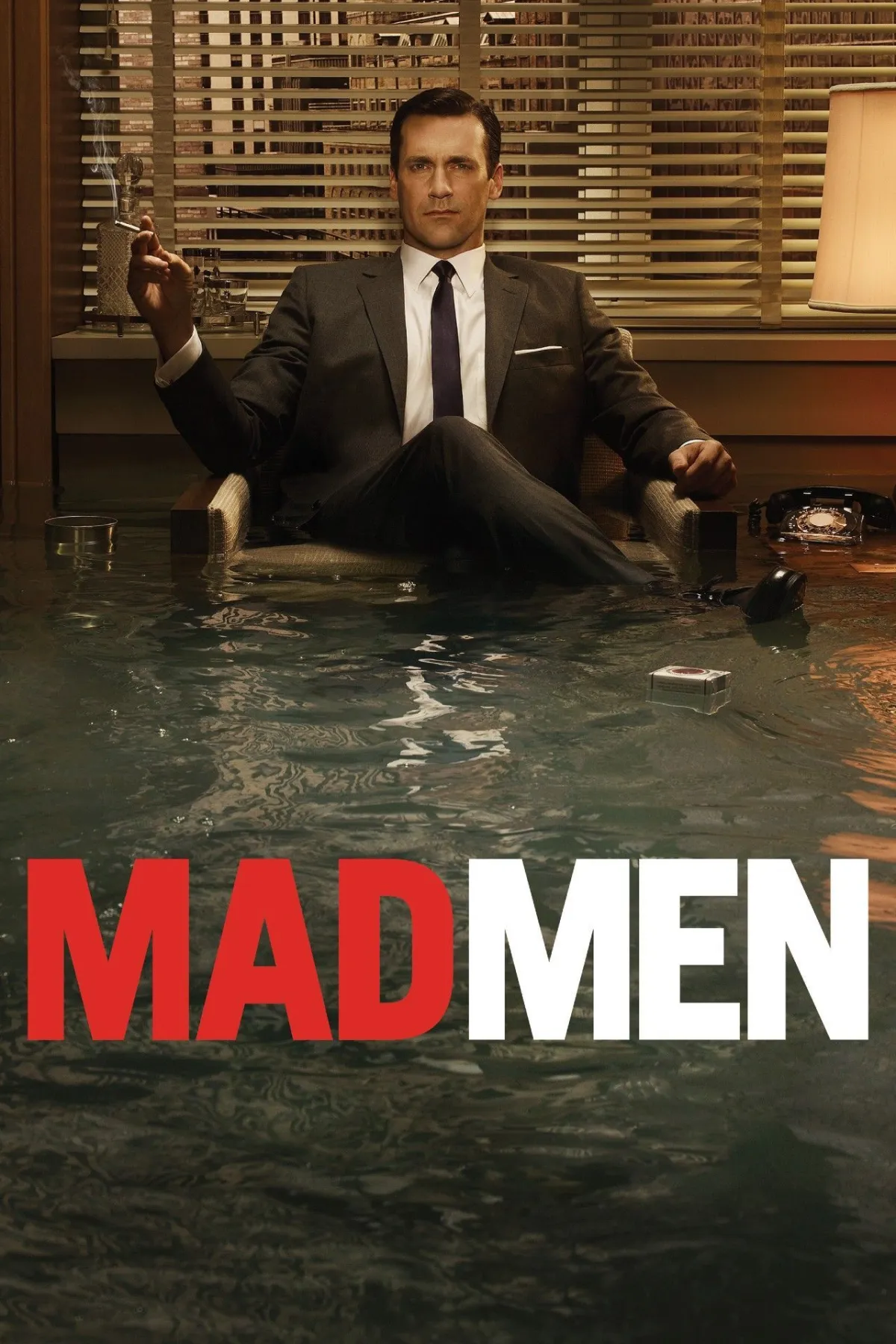 Photo: Mad Men, via static1.colliderimages.com
The Line to Today's Craft Cocktail Movement
Fast forward to the early 2000s and something interesting happens: the cocktail hour reinvents itself again. The craft cocktail movement — with its emphasis on house-made bitters, obscure spirits, careful technique, and seasonal ingredients — looks at first like a rejection of the mid-century tradition. But it's actually a continuation of the same underlying impulse: treating the pre-dinner drink as a deliberate, crafted, social act worth taking seriously.
The bartenders who sparked the craft revival were, in their own way, doing what the wartime hostess had done — working with constraints (in their case, a reaction against mass-produced, lowest-common-denominator bar culture) to create something more intentional. The happy hour, the aperitivo trend, the rise of the home bar during the COVID-19 pandemic — all of it traces back to the same source: Americans who learned, under pressure, that the ritual around the drink matters as much as the drink itself.
Scarcity as Invention
The cocktail hour is a perfect Origin Post story precisely because it looks like it was always there. It has the feel of something ancient and deliberate. But dig into the actual history and you find two consecutive crises, a generation of improvisation, and a postwar marketing machine that turned the improvisation into tradition.
The next time you pour something before dinner — whether it's a carefully constructed negroni or a glass of wine on the porch — you're participating in a ritual that was invented by people who were simply making the best of what they had.
Which, come to think of it, is how most of the best things get started.