When Coal Tar Became America's Breath Savior: The Medical Antiseptic That Invented Social Anxiety
The Operating Room Origins
In 1879, Dr. Joseph Lawrence mixed together a cocktail of antiseptic compounds in St. Louis, creating what he believed would revolutionize surgical procedures. His formula—a harsh blend of eucalyptol, menthol, methyl salicylate, and thymol dissolved in alcohol—burned like fire but killed germs with ruthless efficiency. Named after British surgeon Sir Joseph Lister, who pioneered antiseptic surgery, Listerine was born in the sterile world of operating theaters.
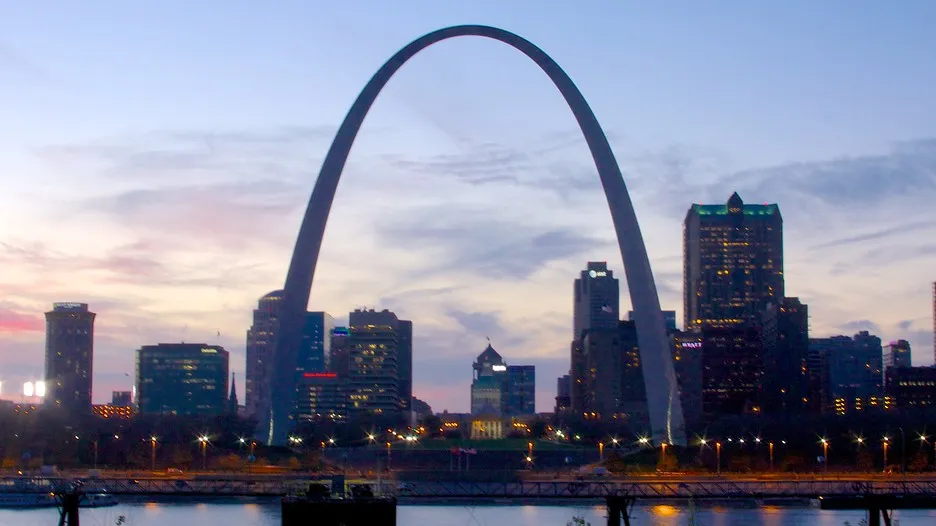 Photo: St. Louis, via images.trvl-media.com
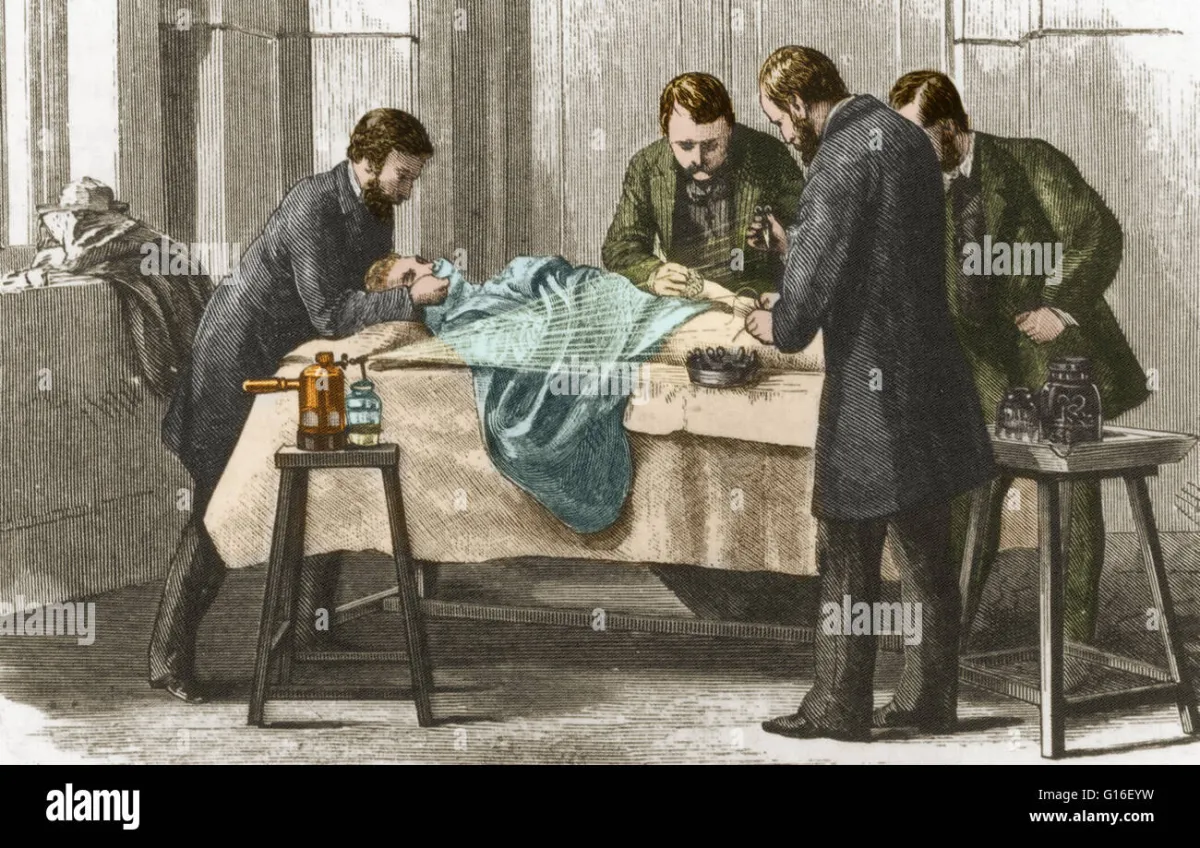 Photo: Sir Joseph Lister, via c8.alamy.com
 Photo: Dr. Joseph Lawrence, via www.engsys.com
For nearly half a century, this amber liquid lived a quiet existence. Doctors used it to sterilize surgical instruments. Dentists occasionally recommended it for oral wounds. The Lambert Pharmaceutical Company, which acquired the formula, sold modest quantities to medical professionals who appreciated its germ-killing properties but winced at its taste.
The Marketing Crisis
By the 1920s, Lambert faced a problem that would sound familiar to any modern startup: they had a decent product with no clear market. Listerine worked, but who wanted to gargle with something that tasted like medicinal punishment? Sales remained stubbornly flat, confined to the narrow world of healthcare professionals.
Then someone at Lambert had a breakthrough that would reshape American consumer culture forever. Instead of finding new uses for their antiseptic, they would create new anxieties for their antiseptic to solve.
The Birth of Halitosis
The word "halitosis" existed in medical literature—a clinical term for chronic bad breath that affected a tiny percentage of the population. But Lambert's marketing team saw opportunity in obscurity. They lifted this forgotten medical term and weaponized it, launching an advertising campaign that suggested halitosis wasn't a rare medical condition but a common social plague hiding in plain sight.
The ads were masterpieces of manufactured insecurity. "Often a bridesmaid but never a bride," proclaimed one famous campaign, featuring a woman whose mysterious romantic failures were traced to her unknowing breath problems. Another showed a businessman losing promotions because colleagues couldn't bear to get close enough to give him important assignments.
The Anxiety Engine
What made these campaigns revolutionary wasn't their creativity—it was their psychological insight. Lambert had discovered something profound about American consumer behavior: people will pay almost anything to avoid social embarrassment, especially embarrassment they didn't know they should feel.
The halitosis campaign worked because it exploited a universal fear. Everyone had experienced bad breath at some point, but Lambert convinced Americans that they might be suffering from it constantly without knowing. Worse, they suggested that friends and colleagues were too polite to mention it, leaving victims to wonder in silent horror about their social standing.
Suddenly, that harsh coal-tar antiseptic didn't taste like punishment—it tasted like social salvation.
The Formula for Modern Marketing
Within a decade of the halitosis campaign, Listerine sales increased by over 7,000 percent. Lambert had accidentally written the playbook for modern consumer marketing: identify an insecurity, amplify it, then position your product as the solution.
This wasn't selling a product's benefits—this was selling relief from manufactured anxiety. The formula proved so effective that it became the template for countless other campaigns. Deodorant companies warned about "body odor." Shampoo makers invented "dandruff anxiety." Skin care brands created elaborate regimens to combat "premature aging."
From Medicine to Mainstream
As Listerine's popularity exploded, something interesting happened to its identity. The product remained chemically identical to Dr. Lawrence's original surgical antiseptic, but its cultural meaning transformed completely. Families started keeping bottles in bathroom medicine cabinets. The ritual of gargling became a daily routine for millions of Americans.
The medical establishment watched this transformation with mixed feelings. Yes, regular use of antiseptic mouthwash could provide some oral health benefits. But the dramatic health claims in Listerine's advertising often stretched far beyond what the science supported. In 1975, the Federal Trade Commission finally forced Lambert to tone down their medical claims, but by then, the damage—or success, depending on your perspective—was complete.
The Lasting Legacy
Today, the mouthwash aisle at any American drugstore tells the story of Lambert's marketing revolution. Dozens of brands compete with promises of "12-hour protection," "clinical strength," and "maximum freshness." The original coal-tar antiseptic spawned an entire industry built on the foundation of social anxiety.
What started as a surgeon's tool became America's daily ritual of insecurity management. Every morning, millions of Americans reach for bottles containing essentially the same formula Dr. Lawrence mixed in 1879, not because they have halitosis, but because Lambert's marketing team convinced their grandparents that social acceptance required chemical intervention.
The next time you see someone gargling mouthwash, remember: you're witnessing the power of a 1920s advertising campaign that taught America to fear something they'd never worried about before. That harsh, medicinal taste isn't just killing germs—it's the flavor of manufactured anxiety, bottled and sold at every corner store in the country.