One Man, One Memo, and the Morning Meal That Was Never Really Tradition
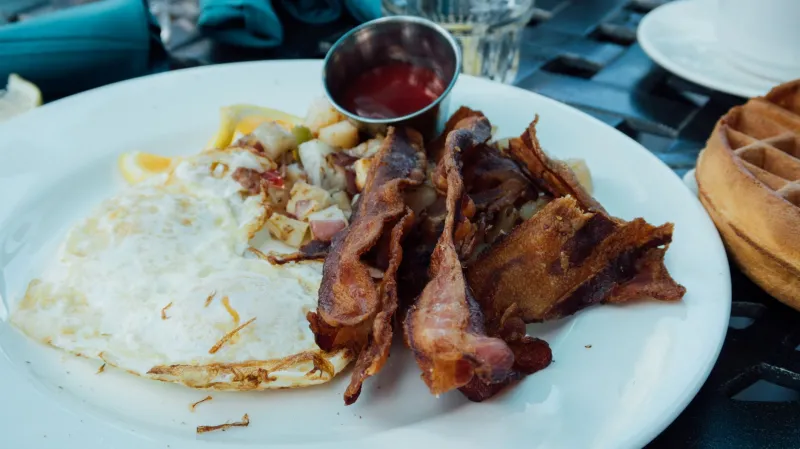
Ask most Americans what a "real" breakfast looks like, and the answer comes fast: bacon, eggs, maybe some toast. It feels ancient, instinctive — the kind of meal that seems like it must have always been there, handed down through generations like a family heirloom. But here's the thing: it wasn't. The hearty American breakfast as we know it was essentially invented in the 1920s, dreamed up not by grandmothers or nutritionists, but by a single public relations consultant hired to sell more pork.
His name was Edward Bernays. And what he pulled off is still, a century later, one of the most remarkable feats of mass persuasion ever attempted.
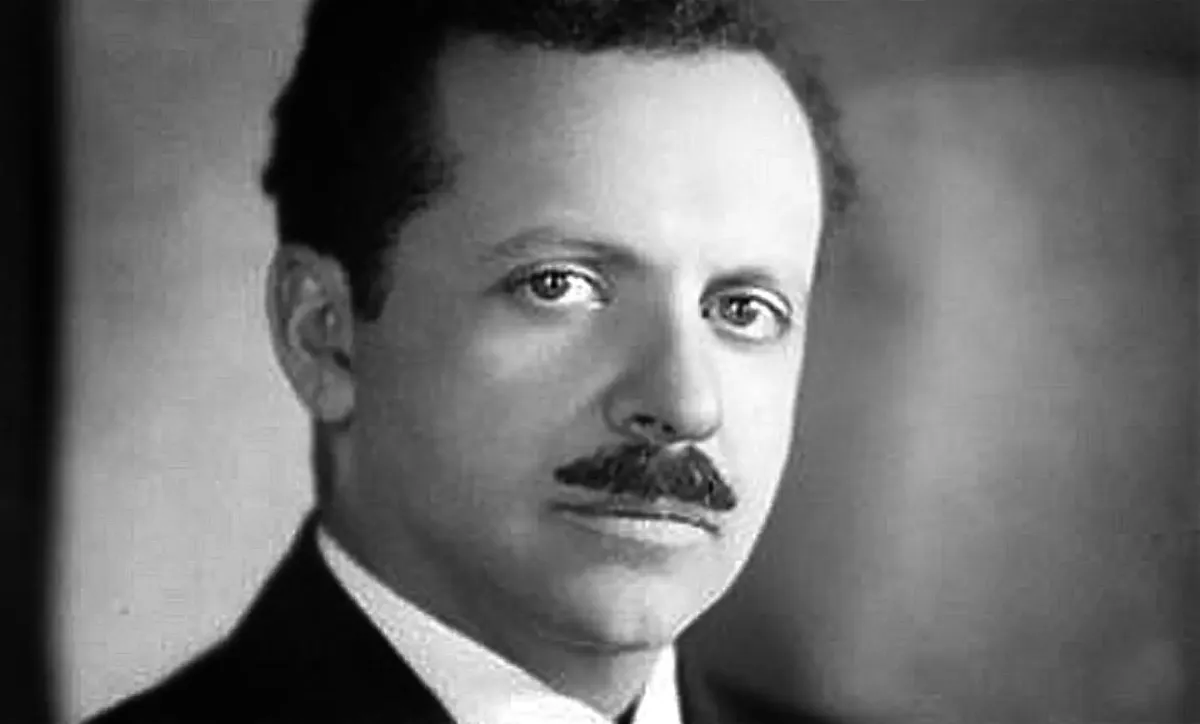 Photo: Edward Bernays, via historyweb.fr
What Americans Were Actually Eating Before
Turn the clock back to the early twentieth century and the average American morning looked nothing like a diner plate. Breakfast was light — almost European by today's standards. Coffee, maybe a roll, some fruit if you had it. Working-class families might grab something quick before heading out. The idea of sitting down to a hot, protein-heavy meal before 8 a.m. simply wasn't part of the national routine.
This was a problem for Beech-Nut Packing Company, one of the country's major bacon producers. Sales were fine, but there was an obvious ceiling: if Americans weren't eating big breakfasts, they weren't buying much bacon. The company needed someone to change not just their advertising, but the underlying behavior of an entire nation.
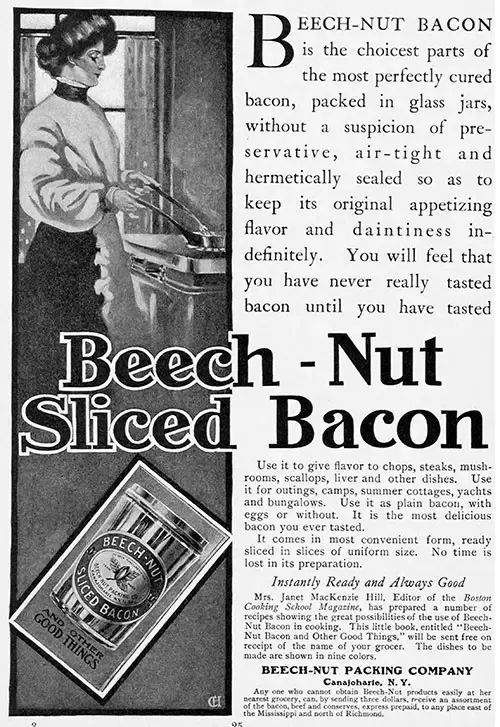 Photo: Beech-Nut Packing Company, via www.ggarchives.com
So they hired Bernays.
The Nephew Who Understood How People Think
Edward Bernays was, by any measure, a singular figure. He was Sigmund Freud's nephew — yes, that Freud — and he had spent years studying how crowds think, how beliefs form, and crucially, how they can be shaped from the outside. He'd already helped sell American involvement in World War I, convinced women to smoke in public by calling cigarettes "torches of freedom," and repositioned soap as a tool of moral cleanliness for children. He wasn't in the business of advertising. He was in the business of manufacturing consensus.
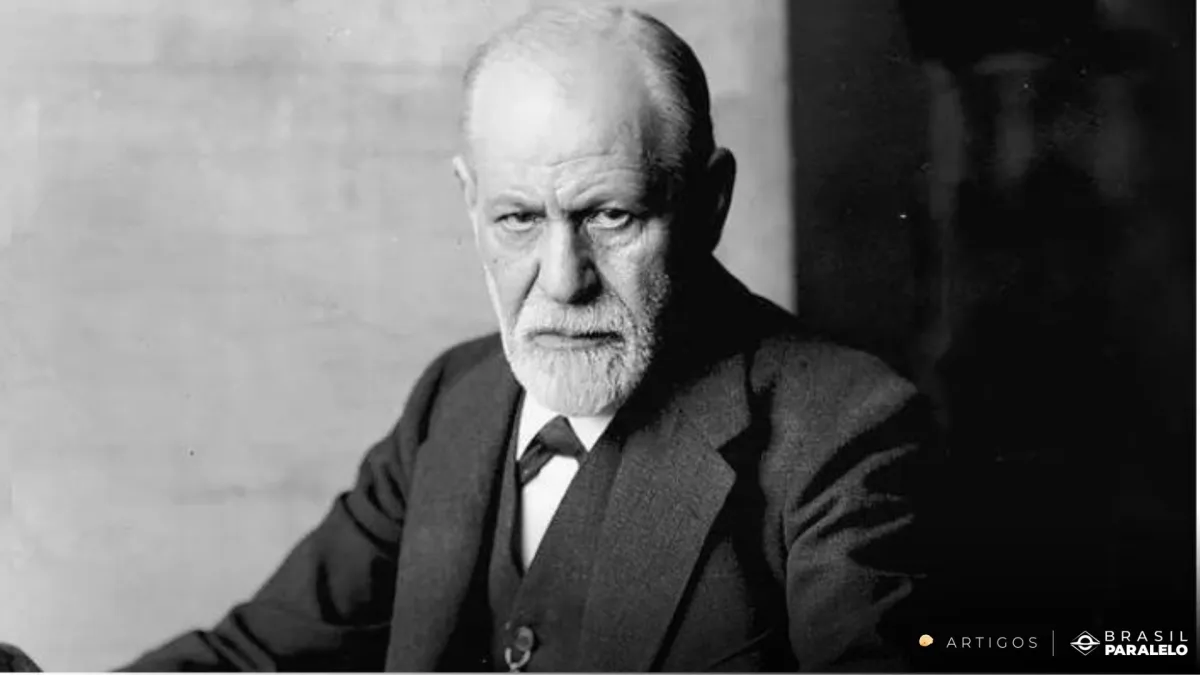 Photo: Sigmund Freud, via cdn.prod.website-files.com
When Beech-Nut came calling, Bernays didn't think about billboards or slogans. He thought about authority.
His insight was simple but devastating in its effectiveness: people don't change their habits because a company tells them to. They change because someone they trust — a doctor, a scientist, an expert — tells them to. So Bernays went to the doctors.
The Survey That Changed Everything
Bernays contacted the physician of Beech-Nut's own executive and asked him a carefully framed question: would a doctor generally agree that a hearty breakfast was better for health than a light one? The doctor said yes, more or less. Bernays then used that response to survey thousands of physicians across the country, asking the same question. The results — thousands of doctors confirming that a substantial morning meal supported health and energy — were packaged up and sent to newspapers nationwide.
The coverage was enormous. Headline after headline announced that doctors were recommending a bigger breakfast. Some reports specifically named bacon and eggs as an ideal combination of protein and fat to start the day. It read like a scientific consensus. It felt like news. And technically, Bernays hadn't fabricated anything — he'd simply asked a leading question at scale and let the media do the rest.
Within a few years, American breakfast habits had shifted noticeably. Bacon sales climbed. The hot, filling morning meal began its long march toward cultural permanence.
From Campaign to Tradition
What's remarkable isn't just that the campaign worked — it's how completely it erased its own origins. Within a generation, nobody remembered that a PR man had engineered the shift. Bacon and eggs became "what Americans eat for breakfast" in the same way that certain things simply become true through repetition. Diners built menus around it. Cookbooks enshrined it. Eventually, it became the comfort food benchmark, the thing you crave after a long night or a rough morning, the plate that shows up in every nostalgic movie set in mid-century America.
The hangover cure angle — that specific craving for grease and protein after a night of drinking — came later, layered on top of the existing habit. But it reinforced the same logic Bernays had planted: this is a restorative meal. This is what your body needs. Science says so.
Except, of course, the science had been arranged by a man with a bacon quota to hit.
Why It Still Matters
Bernays himself wrote openly about what he'd done. His 1928 book Propaganda laid out his methods with unsettling clarity, describing how public opinion could be shaped by engineering the right messengers rather than the right messages. He believed — genuinely — that this kind of managed persuasion was necessary in a modern democracy. Whether you agree with him or not, the bacon-and-eggs campaign stands as one of the clearest examples of how a tradition can be built from scratch in plain sight.
Next time you slide into a diner booth and order without even looking at the menu, you're participating in a ritual that's barely a hundred years old — and one that was designed, quite deliberately, by a man who understood that the most powerful kind of advertising is the kind that doesn't look like advertising at all.
The eggs are real. The tradition? That's a different story.