Why Americans Can't Agree on What to Call Their Favorite Sandwich
Why Americans Can't Agree on What to Call Their Favorite Sandwich
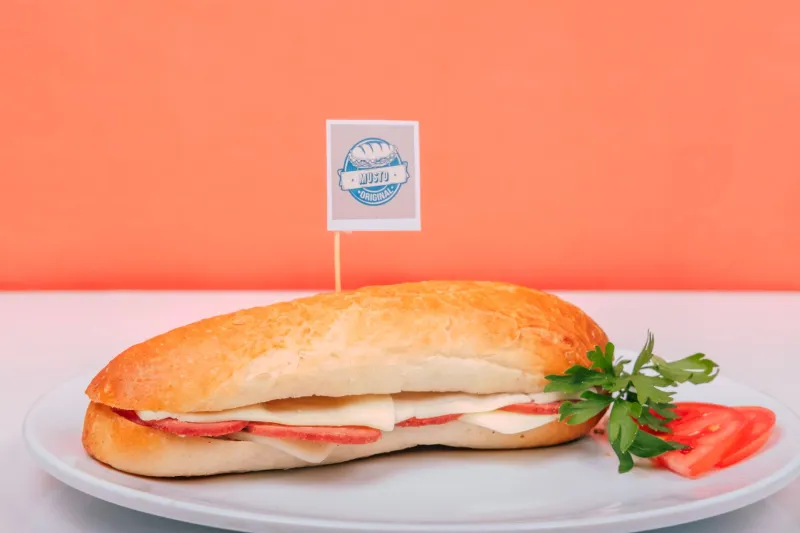
Order a long roll stuffed with cold cuts and provolone in Philadelphia, and you'll get a look if you ask for a "sub." Do the same in Boston, and calling it a "grinder" is practically a civic duty. Somewhere in New York, someone is still insisting it's a "hero," and in New Orleans, it's a "po'boy" and don't you dare call it anything else.
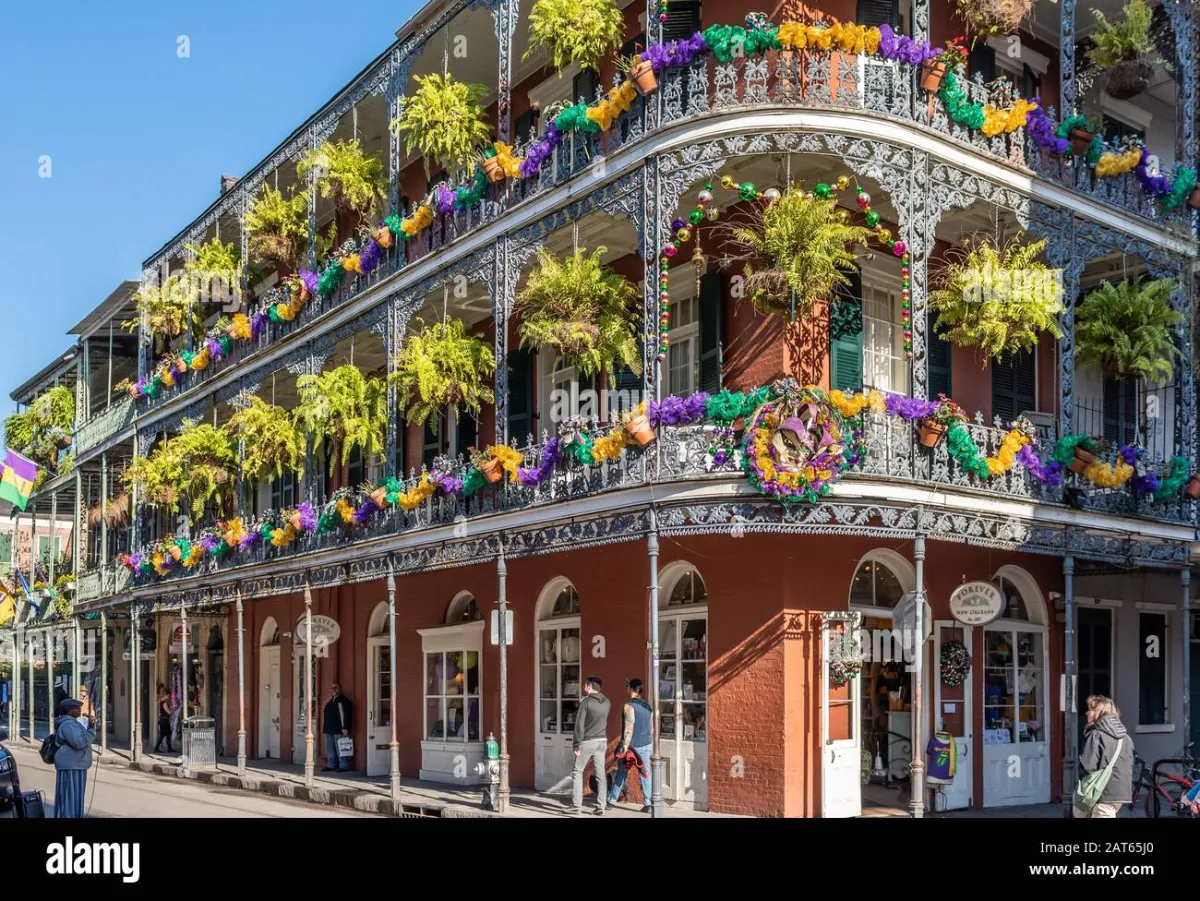 Photo: New Orleans, via c8.alamy.com
For a sandwich that's eaten millions of times a day across the United States, it has an identity crisis that would exhaust a therapist. But the story of how the "submarine" name emerged — and why it never fully won — is one of the more entertaining accidents in American food history.
The Italian Immigrant and the Naval Yard
The most widely cited origin of the "submarine" name leads to a small Italian-American deli near the US Navy's submarine base in Groton, Connecticut, sometime around World War II. The story goes that Italian immigrants working near the naval yard had long been making large, overstuffed sandwiches on torpedo-shaped rolls — the kind of bread that Italian bakers had brought over from the old country and never stopped making.
 Photo: Groton, Connecticut, via images.trvl-media.com
When American sailors began flooding the area during the war years, they took one look at the long, rounded rolls and made the obvious connection: the thing looked like a submarine. The name stuck. It spread with the sailors, traveled through military communities, and eventually found its way into diners and delis across the country.
But that's just one version of the story.
Another popular account points to Dominic Conti, an Italian immigrant who ran a grocery store in Patterson, New Jersey, in the early 1900s. According to his granddaughter, Conti began selling the big stuffed sandwiches around 1910 and started calling them "submarines" after seeing a recovered German U-boat on display at a local museum. The bread, he reportedly said, looked just like the hull of the ship.
Neither story can be fully verified. Both feel plausible. Both involve Italian immigrants, naval imagery, and a simple visual observation that somehow launched a naming convention across an entire nation.
The Competitors Were Already in the Room
What makes the submarine story genuinely interesting is that it didn't emerge into a vacuum. By the time the "sub" name started circulating, other American cities had already been making the exact same sandwich under completely different names — and they were not going to give those names up quietly.
In Philadelphia, the "hoagie" had been a fixture since at least the 1930s. One popular origin story traces it to Hog Island, a shipyard near Philadelphia where Italian workers would bring enormous sandwiches to lunch during World War I. Workers at the yard were nicknamed "hoggies," and over time the sandwich took on a version of the name. By the 1940s, Philadelphia had fully claimed the word, and today it remains one of the few American cities where ordering a "sub" will earn you a moment of gentle correction.
In New England, particularly Massachusetts and Rhode Island, the same sandwich became a "grinder." The most common explanation is that the tough Italian bread required serious chewing — you had to grind through it. Some food historians suggest the name came from Italian-American dockworkers who were themselves called "grinders" because of their work. Either way, New England held onto the word with both hands.
New York had its own answer: the "hero." Food writer Clementine Paddleford is often credited with popularizing the term in the 1930s when she wrote that you needed to be a hero to finish one. Whether that's accurate or apocryphal, the name embedded itself in New York culture so deeply that it became a point of local pride.
Wartime Geography Did the Heavy Lifting
The reason the "submarine" name eventually became the closest thing to a national standard — showing up on chain restaurant signs from Maine to Arizona — has less to do with its origin story and more to do with timing and geography.
World War II moved enormous numbers of Americans across the country. Sailors, soldiers, and factory workers relocated from their home states, carrying their food vocabularies with them and encountering new ones. When the war ended and the economy boomed, food entrepreneurs began opening sandwich shops that needed a name everyone could recognize. "Submarine" — or just "sub" — had a clean, memorable ring to it. It sounded American in a mid-century, industrial kind of way. And it was neutral enough that someone from Connecticut and someone from California could both accept it without feeling like they were surrendering local identity.
Then came the chains. Subway, founded in 1965 in Bridgeport, Connecticut, industrialized the sub and exported it to every corner of the country. The chain didn't invent the sandwich, but it standardized the vocabulary in a way that no regional deli ever could. Today, "sub" is probably the most widely understood term for the sandwich across the US, even if millions of Americans privately use a different word at home.
The Argument That Never Ends
Here's the thing: the regional names never disappeared. They didn't lose. They simply coexist with "sub" in a state of permanent, affectionate tension.
Philadelphia still says hoagie. Boston still says grinder. New York still says hero. And in each of those cities, the local name carries a kind of cultural loyalty that goes well beyond bread and cold cuts. Calling a sandwich by the wrong regional name is a minor social transgression — a signal that you're an outsider, that you don't quite belong.
Food researchers and linguists have actually mapped these naming boundaries, finding that they track closely with older patterns of immigration and settlement. The Italian-American communities that built these sandwiches in the early twentieth century left their mark not just in the recipe but in the words used to describe it.
So the next time someone corrects you for calling a hoagie a sub, or insists that a grinder is the only honest name for the thing, understand that they're not being difficult. They're carrying forward a small piece of local history — one that started with a torpedo-shaped roll, a naval base, and an Italian immigrant who thought the bread looked like something that could travel underwater.
He wasn't wrong. He just didn't know the whole country would eventually argue about it.