The Wartime Shortage That Put Diamonds on Every American Bride's Finger
When Diamonds Were Just Pretty Rocks
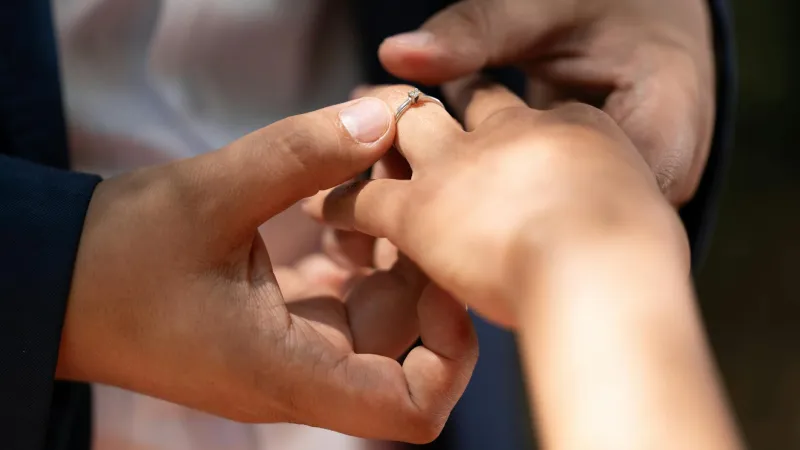
Walk into any American jewelry store today, and you'll find rows of diamond engagement rings sparkling under carefully positioned lights. Ask any woman about her dream proposal, and chances are it involves a diamond. But this wasn't always the case. In fact, before 1940, the vast majority of American couples got engaged without diamonds — or rings at all.
The diamond engagement ring tradition that feels as old as marriage itself is actually younger than your grandparents. It's the product of one of the most successful marketing campaigns in history, born from desperation during one of America's most challenging economic periods.
A Company in Crisis
By the late 1930s, De Beers Consolidated Mines faced a serious problem. The South African diamond company had been stockpiling gems for decades, but demand had plummeted during the Great Depression. Americans were focused on survival, not sparkly engagement accessories. Meanwhile, De Beers had warehouses full of diamonds and no one to buy them.
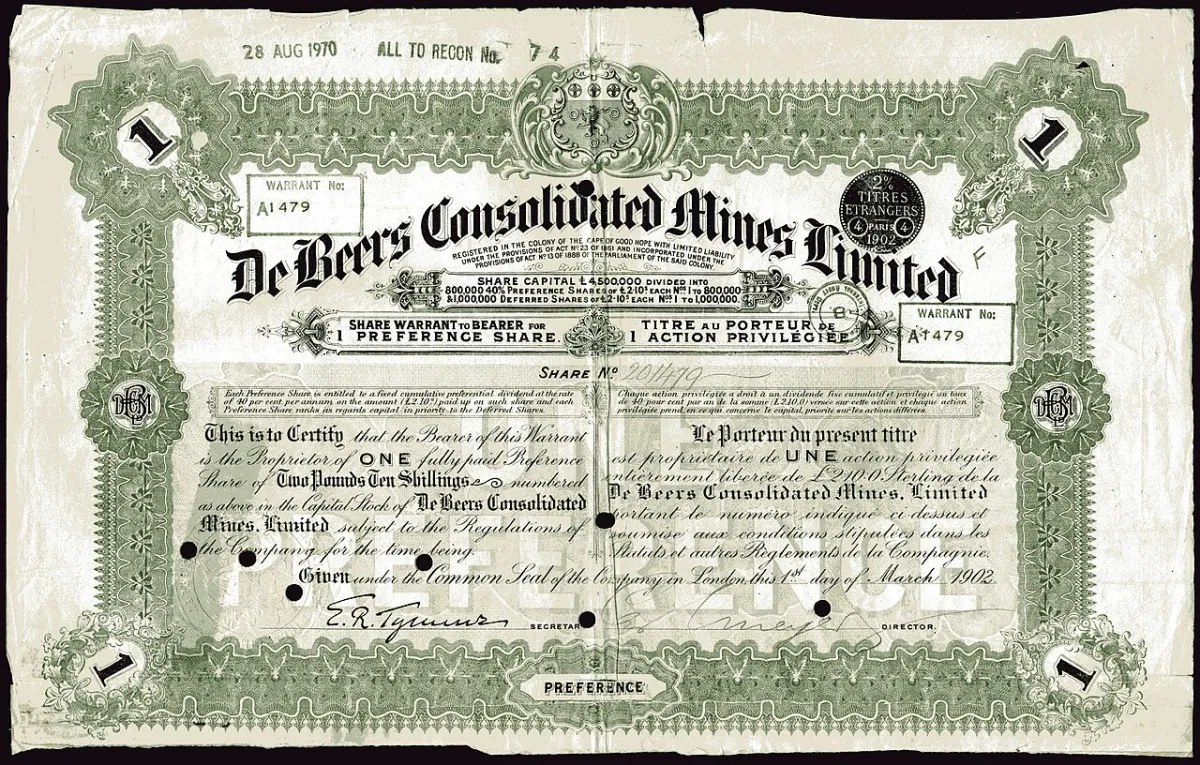 Photo: De Beers Consolidated Mines, via upload.wikimedia.org
The situation grew more desperate as World War II approached. Luxury goods seemed frivolous when families were rationing food and saving money for war bonds. De Beers needed to find a way to make diamonds feel not just desirable, but essential to American life.
Enter Gerold Lauck and the advertising agency N.W. Ayer & Son. Their challenge was enormous: convince an entire nation that had never cared much about diamonds that they were absolutely necessary for expressing love.
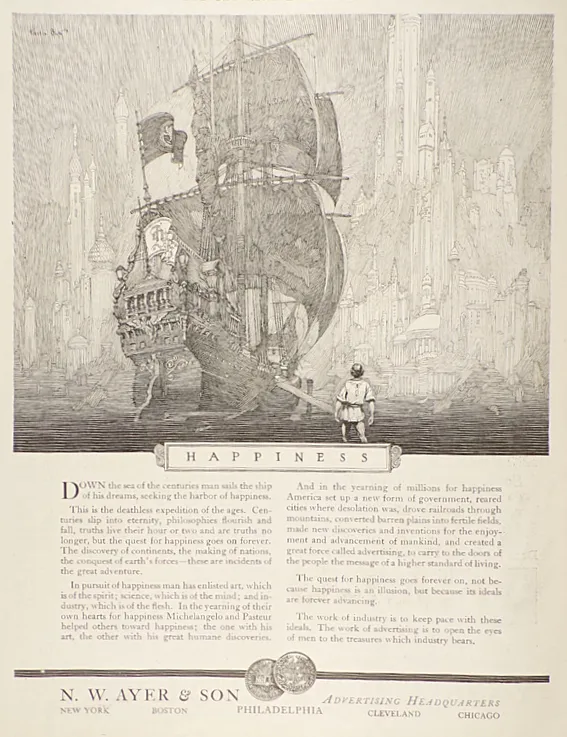 Photo: N.W. Ayer & Son, via www.atticpaper.com
The Campaign That Rewired Romance
Lauck and his team developed a strategy that was both brilliant and manipulative. Instead of selling diamonds as luxury items, they would sell them as symbols of eternal love. They created advertisements featuring young couples in romantic settings, with headlines like "How can you make two months' salary last forever?"
But the real genius was in the slogan they developed: "A Diamond is Forever." This simple phrase accomplished something remarkable — it made diamond engagement rings feel both timeless and mandatory. If your love was forever, shouldn't your ring be too?
The campaign launched in 1941, just as America was entering World War II. Timing that seemed terrible actually worked in De Beers' favor. Young couples facing uncertain futures were drawn to symbols of permanence and commitment. Soldiers deploying overseas wanted to leave their sweethearts with something lasting.
Hollywood Gets Involved
De Beers didn't stop with magazine advertisements. They convinced Hollywood studios to feature diamond engagement rings prominently in romantic films. Suddenly, movie stars were proposing with diamonds on screen, making the rings seem glamorous and sophisticated.
The company also launched an educational campaign targeting young women. They distributed pamphlets to high schools and colleges explaining the "proper" way to receive a proposal (with a diamond ring) and how to evaluate diamond quality. They were literally teaching American women to expect diamonds.
Men weren't ignored either. Advertisements in magazines like Popular Mechanics and Sports Illustrated explained that a diamond ring was the ultimate expression of masculinity — proof that a man could provide for his future wife.
The Two-Month Salary Rule
Perhaps De Beers' most audacious invention was the idea that an engagement ring should cost two months' salary. This wasn't based on tradition or practicality — it was pure marketing calculation designed to maximize profits while making the expense feel reasonable.
The "two months' salary" rule became so embedded in American culture that many people today believe it's an ancient tradition. In reality, it was created by advertisers in the 1940s who needed to establish a price point that felt significant but achievable.
How Fast America Changed Its Mind
The transformation was remarkably swift. In 1939, only about 10% of American engagement announcements mentioned diamond rings. By 1941, that number had jumped to 60%. By the end of the 1940s, it was over 80%.
This wasn't gradual cultural evolution — it was engineered behavioral change. Within a single decade, De Beers had convinced America to adopt a "tradition" that had never existed before.
The Tradition That Conquered the World
What makes this story even more remarkable is how thoroughly the diamond engagement ring tradition has conquered not just America, but much of the world. Countries with no historical connection to diamonds — Japan, South Korea, China — now have thriving diamond engagement ring markets, all traced back to De Beers' 1940s American campaign.
The company successfully exported an artificial tradition and made it feel universal and timeless. Today, couples in dozens of countries save for diamond engagement rings without realizing they're participating in a marketing campaign that started during World War II.
The Lasting Power of Invented Traditions
The diamond engagement ring story reveals something fascinating about how quickly "traditions" can take root. Within a generation, something that had never existed before became so normal that questioning it seemed almost unpatriotic or unromantic.
Today, even couples who know the history of diamond marketing often choose diamond rings anyway. The tradition has become bigger than its origins, proving that sometimes the most artificial customs become the most powerful. De Beers didn't just sell diamonds — they sold the idea that love requires a specific, expensive symbol to be real.
What started as a desperate attempt to move inventory during wartime became one of the most enduring romantic rituals in modern American culture.