The Origin Post Home

Category

Culture

21 articles


The Civil War's Gruesome Logistics Problem That Quietly Revolutionized American Medicine

The Civil War's Gruesome Logistics Problem That Quietly Revolutionized American Medicine

Before the Civil War, American hospitals were places people went to die — poorly ventilated, unsterilized, and barely temperature-controlled. The crisis of returning fallen soldiers home to grieving families drove a crash course in refrigeration and antiseptic technique that surgeons then carried directly into civilian practice, quietly building the foundation of the modern American hospital.

She Built It to Make You Miserable — And America Made It a Classic

She Built It to Make You Miserable — And America Made It a Classic

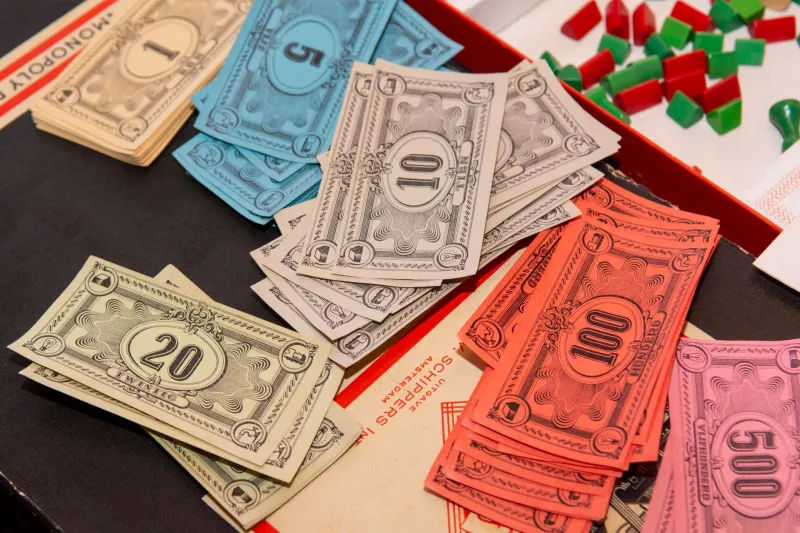
Monopoly is America's most iconic board game — but the woman who invented it designed it specifically to make players feel the crushing injustice of landlord greed. What happened between her protest pamphlet and your family's game night is one of the strangest reversals in American cultural history.

Why Americans Can't Agree on What to Call Their Favorite Sandwich

Why Americans Can't Agree on What to Call Their Favorite Sandwich

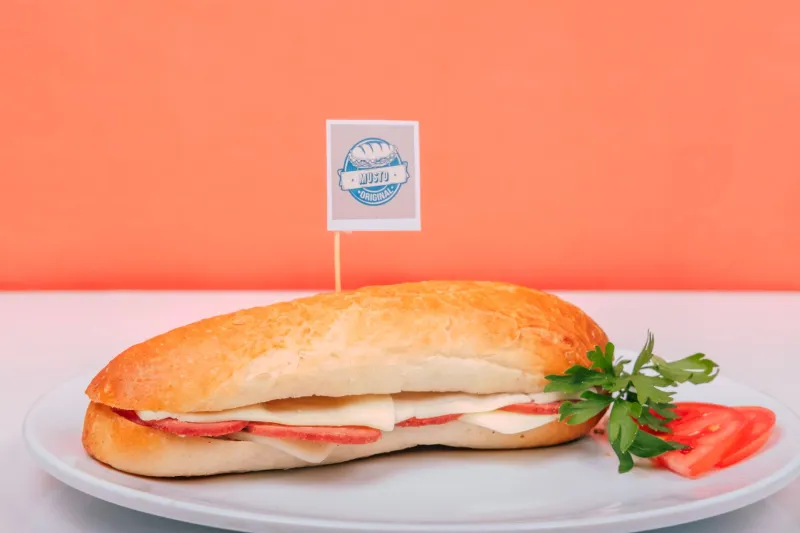
Most Americans eat some version of it every week, but whether you call it a sub, a hoagie, a grinder, or a hero says more about where you grew up than what you ordered. The surprisingly contested origin of the 'submarine sandwich' stretches back to a New Jersey waterfront, a wartime naval base, and decades of fierce regional pride.

Before the End Zone Dance, There Was Rome: The Ancient Roots of the Victory Lap

Before the End Zone Dance, There Was Rome: The Ancient Roots of the Victory Lap

Every time an American athlete circles the stadium after a win, arms raised and crowd roaring, they are performing a ritual that predates the NFL, the Olympics, and the United States itself by roughly two thousand years. The victory lap's journey from Roman military parades to modern American sports arenas is one of the longest and most surprising origin stories in the history of athletic celebration.

A Teenager's Leftover Paper and the Death of the Handwritten Letter

A Teenager's Leftover Paper and the Death of the Handwritten Letter

Before Hallmark, sending a printed card for someone's birthday was considered a lazy substitute for a real letter — borderline rude, in polite circles. It took a Kansas City teenager with a shoebox full of leftover postcards to dismantle that tradition entirely and build one of the most emotionally powerful retail categories in American history.

The Root That Got Lost in Translation — and Accidentally Funded a Nation

The Root That Got Lost in Translation — and Accidentally Funded a Nation

Ginseng is everywhere in the modern wellness aisle — capsules, teas, energy drinks, skin serums. But before it became a billion-dollar supplement staple, it was a misidentified forest plant stumbled upon by colonial traders who barely knew what they had. The story of how ginseng built early American commerce — and eventually the natural health industry — starts with a case of spectacular botanical confusion.

One Man, One Memo, and the Morning Meal That Was Never Really Tradition

One Man, One Memo, and the Morning Meal That Was Never Really Tradition

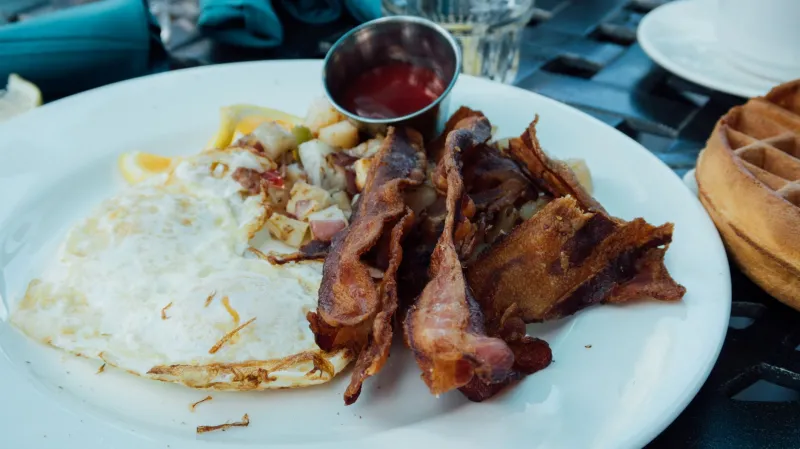
Bacon and eggs feels like the most American breakfast imaginable — timeless, inevitable, almost patriotic. But the whole thing was engineered in a single decade by one very persuasive man with a client to please. The story of how Edward Bernays rewired the nation's mornings is one of the most audacious marketing operations in American history.

The Factory Scraps That Built America's Snack Empire

The Factory Scraps That Built America's Snack Empire

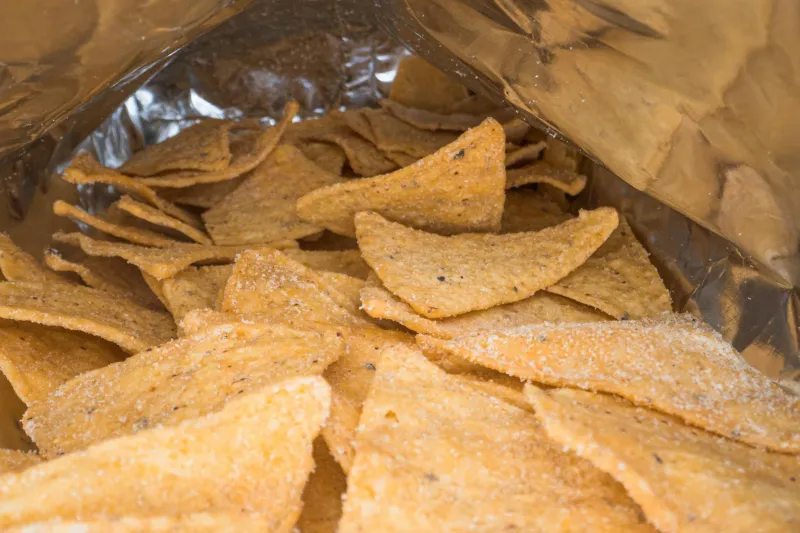
When Elmer Doolin started frying leftover tortilla dough to avoid waste during the Great Depression, he had no idea he was creating what would become America's most profitable snack food. His simple survival strategy accidentally launched a billion-dollar industry.

When Silk Vanished, America Went to War Over Stockings

When Silk Vanished, America Went to War Over Stockings

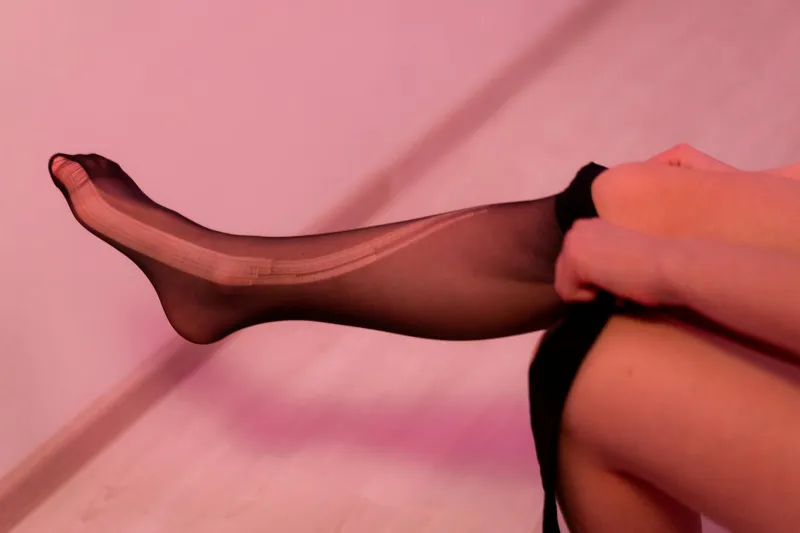
World War II didn't just ration rubber and steel—it created a black market for women's hosiery that sparked riots across America. The fabric shortage that forced DuPont's synthetic miracle into parachutes accidentally transformed how American women dressed forever.

How Death Taught America to Smile at Strangers

How Death Taught America to Smile at Strangers

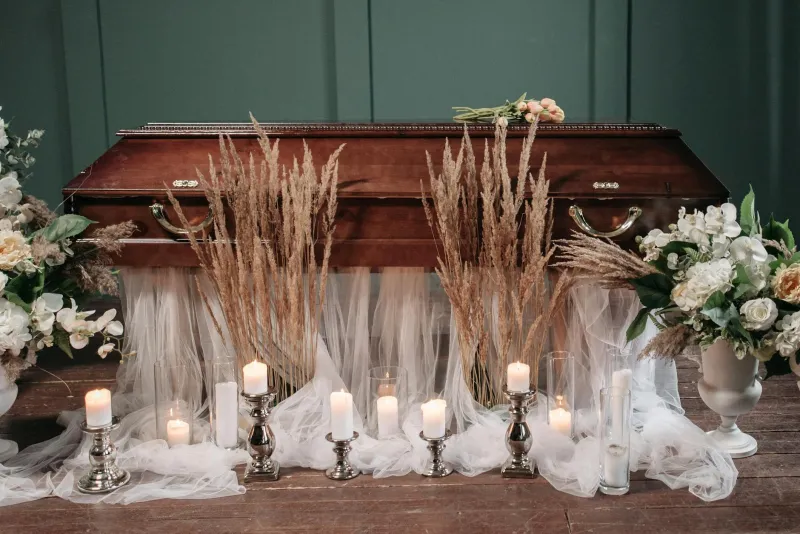
The warm greetings and professional courtesy Americans expect in banks, hotels, and stores didn't originate in business schools—they came from 19th-century funeral parlors. Morticians pioneered the art of making strangers feel comfortable during life's most difficult moments, and their techniques quietly revolutionized customer service across America.

The Government Campaign That Accidentally Built McDonald's Empire

The Government Campaign That Accidentally Built McDonald's Empire

A forgotten 1950s federal highway campaign designed to promote safe family travel inadvertently created the blueprint for America's fast food revolution. What started as bureaucratic messaging about 'efficient roadside stops' became the foundation for an industry that now feeds 50 million Americans daily.

How Americans Learned to Fear Their Own Smell

How Americans Learned to Fear Their Own Smell

Before 1910, body odor was simply part of being human—no products existed to prevent it, and no one advertised against it. Then a Cincinnati surgeon's daughter took her father's medical antiseptic and launched the most successful fear campaign in American advertising history.

How Dead Bodies Built America's Ice Addiction

How Dead Bodies Built America's Ice Addiction

Before Americans demanded ice in every drink, the frozen water trade existed for one grim purpose: preserving corpses and meat. The story of how funeral parlors accidentally created the world's most ice-obsessed culture.

The Quaker Greeting That Wall Street Couldn't Kill

The Quaker Greeting That Wall Street Couldn't Kill

America's signature business greeting started as a religious rebellion against aristocratic hat-tipping. One rejected patent case in 1800s Pennsylvania accidentally made this Quaker custom legally binding, creating the handshake deal that built American commerce.